Ravensdown Elects Montgomery, Acland to Board
Ravensdown shareholders have elected Jane Montgomery and Kate Acland to the Ravensdown Board for three-year terms, following a closely contested director election.
 increase font size
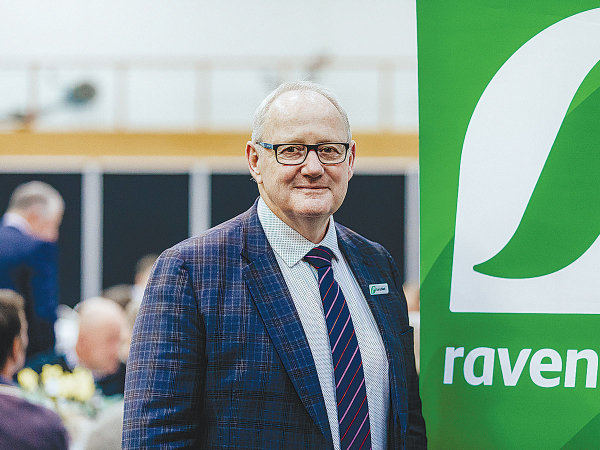 Ravensdown chief executive Garry Diack.
Ravensdown’s 2021/22 Annual Results, announced yesterday, include an overall Group profit of $95 million.
The results also include an underlying profit of $68 million in the core fertiliser business, before taxation and rebate.
Chairman, Bruce Wills called it one of Ravensdown’s “best ever results”, achieved in a year dominated by volatile pricing and global supply challenges.
Total fertiliser sold was slightly up at 1.22 million tonnes, and revenue at $922 million was up $210 million on last year, reflecting the rising price environment that dominated the year.
“The rapidly rising international prices makes fertiliser hard to budget for our farmers. To help them, Ravensdown focussed on product margins and yielded a FY22 group margin percentage lower than last year.”
Chief executive Garry Diack says Ravensdown’s fundamental belief is that this cash is better in use on-farm than in the company’s hands.
“Consistent with out cooperative values we have positioned the balance sheet for another challenging year in 2023 with $347M of stock in store – providing confidence to customers for spring.”
Ravensdown Shipping Services provided a $26 million boost to the Group’s bottom-line performance.
“The volatility of the market is not going away, and we need the capacity to capitalise on procurement pricing opportunities, and we need to continue investment in technological support to reduce New Zealand’s fertiliser footprint. The need for a capital buffer for the increasing risk a cooperative structure faces, compels a conservative approach to shareholder rebate for 2022,” says Diack.
Given this year’s performance and next year’s challenges, a shareholder rebate of $25 per tonne has been declared.
The year at a glance
Ravensdown shareholders have elected Jane Montgomery and Kate Acland to the Ravensdown Board for three-year terms, following a closely contested director election.
OPINION: It appears to be difficult for people who haven’t tried to run a business to understand the difference between assets and cash.
OPINION: In the 1980s, concern was expressed in West Germany about the falling birth rate. Some simple analysis was performed by Professor Helmut Sies, physician and biochemist at Dusseldorf University. His letter ‘A new parameter for sex education’ was published in Nature in 1988:
When it comes to annual rebates, it's been a long time between drinks for Ravensdown shareholders.
Ravensdown has reported a net profit before tax and rebate of $50.1 million for the year ended 31 May 2026.


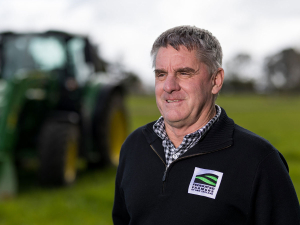
National’s pledge to introduce 19 new national standards shows the party is serious about getting Wellington out of farming, Federated Farmers says.
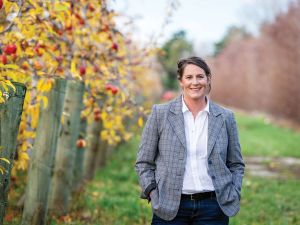
The National Party’s policies to make it easier to grow fresh vegetables, secure reliable water and energy and simplify farm planning are practical changes that will give growers the confidence to invest, according to Horticulture New Zealand (HortNZ).
Fonterra Co-operative Group chief financial officer Andrew Murray has resigned to take up a role outside the dairy giant.
A major move is about to get underway to improve the quality and viability of dairy beef and cattle in NZ.
Veterinarians say changes to the code of welfare for dairy cattle provides a positive foundation for improved cattle welfare across the country.
Today, 15 October, is the International Day of Rural Women, which recognises rural women’s contribution to farming, communities and the environment.