Mark Hooper Joins NZPork Board as Independent Director
Rural leader Mark Hooper has been appointed as an independent director to the NZPork board, bringing extensive farming, governance and advocacy experience to the role.
 increase font size
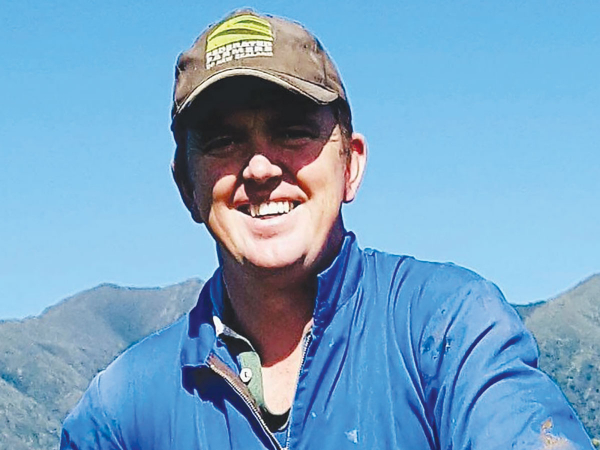 Fed Farmers’ Wayne Langford says casualty calf collection isn’t a money-making exercise for farmers.
Collection of dead calves from farms around the country has stopped with farmers and the recycling company blaming each other for the impasse.
Last week Wallace Group stopped its “casualty calf collection” service because of what it says is a poor response from farmers to a price hike.
Up till last season, some farmers were paid $1 for each dead calf picked up from the farm. Last month, Wallace Group announced a $12 collection fee per calf citing a drop in market prices for hides, skins and rendered products.
However, Federated Farmers dairy section chair Wayne Langford says the change in pricing surprised many farmers.
“I think farmers have found the change in price surprising, some going from being paid $1 to being charged $12, that’s a big swing……especially when the bobby market is still fair,” Langford told Rural News.
He says it’s also too early to say that farmer response to the new collection fee is poor.
“It’s very early in the season to say that farmer response is poor. Favourable weather conditions will have no doubt helped lower mortality rates on farm.”
But Wallace Group general manager Bernie Lynskey told Rural News that the company’s decision to charge $12 for each casualty calf went down “like a cup of cold sick” with farmers.
He says the company had no choice but to stop collecting casualty calves.
“We only had a limited pick up to get sufficient stock to provide inductions for staff plus to test and commission a new skinning chain.
“Generally, there’s been a very poor response, almost entirely on the back of that it’s cheaper to dig a hole.
“There seems to be little acknowledgement of the potential environmental impact.”
Burying fallen stock on farm is a permitted activity in most parts of New Zealand.
Langford says farmers should do their best to minimise odours and adhere to best practice guidelines found on the DairyNZ website.
But he’s not encouraging burning of stock.
“Burning of fallen stock is a rare practice and respect for neighbours should be considered.”
Langford, who farms in Golden Day, says his region farmers always bury stock.
“We have not had slink collection for three years and fallen cows for fifteen years.”
Langford says casualty calf collection wasn’t a money-making exercise for farmers.
“Farmers have always seen this as an opportunity to support a local business or fundraise for a community organisation, so they will be disappointed to see that go.”
Price drop
Wallace Group says since last season market prices for hides, skins and rendered products have steadily declined.
General manager Bernie Lynskey says calf skin prices have dropped about 35%.
“Just look to the bobby calf pricing and the drop there partly based on the skin fall.
“Rendering prices for meal have fallen dramatically with some access issues currently.”
Lynskey says the company proposed a $12 charge per calf “on the basis of if we got good support or access to some other funding price would fall”.
The company sought financial assistance from the Government’s Provincial Growth Fund and other funding sources that support environment friendly options. So far there’s been no offer of assistance from any source.
Rural leader Mark Hooper has been appointed as an independent director to the NZPork board, bringing extensive farming, governance and advocacy experience to the role.

The terrible floods that hit the Wairarapa may have subsided, but the danger to farmers still exists, according to local Federated Farmers president Rob Hickson.
Will a stronger, more coordinated voice help rebuild confidence and improve returns in the wool sector?
New Zealand's pest problem has reached crisis point, according to Federated Farmers' second National Pests Survey, which shows farmers are spending more money and effort on control — yet pest numbers keep climbing faster than they were two years ago.
Despite political shenanigans in Wellington, farmers are confident that Resource Management Act (RMA) reforms will get over the line in this term of Parliament.


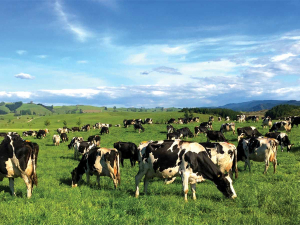
Most dairy regions around the country have had a pretty good season so far says Tracy Brown.
Rural leader Mark Hooper has been appointed as an independent director to the NZPork board, bringing extensive farming, governance and advocacy experience to the role.
Opportunity says its land value tax (LVT) is unlikely to force farmers into a position where asset sales or increased debt are required.
Milk powder prices are keeping farmgate prices up, helping processors offset the dip in milk fat prices.
Climate, nature and animal wellbeing make up Fonterra's refreshed sustainability roadmap released last week.
The Government is introducing a new nationwide rural recycling scheme that will significantly increase the recovery of farm plastics from March next year, Minister for the Environment Nicola Grigg announced today.