BVD Control: Why One Measure Isn't Enough for NZ Herds
Bovine Viral Diarrhoea (BVD) remains one of the most significant infectious diseases affecting New Zealand dairy herds.
 increase font size
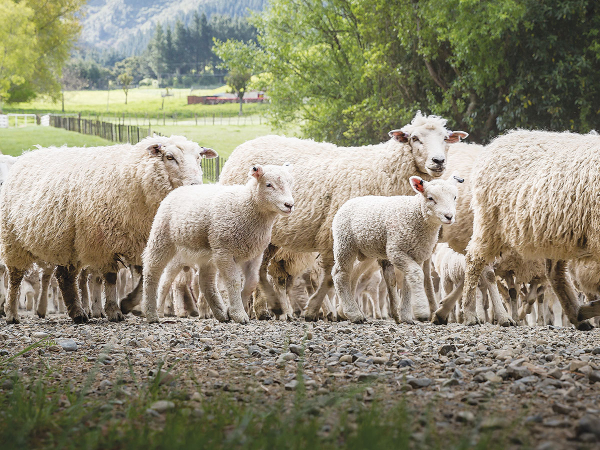 Genetics is estimated to have driven 51% of gains made in our sheep industry over the past 35 years.
The rollout of the New Zealand Genetic Evaluation Version 6 is said to mark a step-change in the depth and breadth of genetic information available to both stud and commercial sheep breeders.
For ram breeders, this iteration of the New Zealand Genetic Evaluation (the genetic analysis machinery behind Beef + Lamb New Zealand's nProve system) generates even more accurate information that, through nProve, helps their commercial clients as they strive to improve the productivity and profitability of their sheep flocks.
Dr Jason Archer, Beef + Lamb New Zealand's head of genetics, says the New Zealand Genetic Evaluation Version 6 (NZGEv6) builds on the genetic tools that have made a significant contribution to the New Zealand's sheep industry's productivity gains.
"It has been estimated that genetics has driven 51% of the spectacular gains made in our sheep industry over the past 35 years, despite sheep farming being pushed further into more marginal country. NZGEv6 will help ensure this momentum continues and farmers can continue to breed sheep that perform in an increasingly challenging environment."
Archer says farmers are farming with more extreme weather, widespread drench resistance, labour shortages, environmental responsibility, the spread of facial eczema as well as the vagaries of the market.
When combined with the power of measurement and management, genetics can help improve growth, reproduction, ewe constitution and body condition, reduce dags, parasite burdens and the impact of facial eczema.
NZGEv6 introduces new capabilities to better support breeding decisions.
Archer says the upgrade was undertaken so new technologies, including a broader application of genomics and improved ability to deal with new traits, could be incorporated into the NZGE.
He says B+LNZ's Genetic Science Team has undertaken a huge amount of work to overcome the limitations in previous versions and are rolling out an upgraded NZGEv6 to better serve the industry's needs.
"Genetics has traditionally focused on improving production on-farm, but breeders are increasingly incorporated environmental outcomes, better animal welfare and an improved eating experience for consumers in their genetic packages."
 |
|---|
|
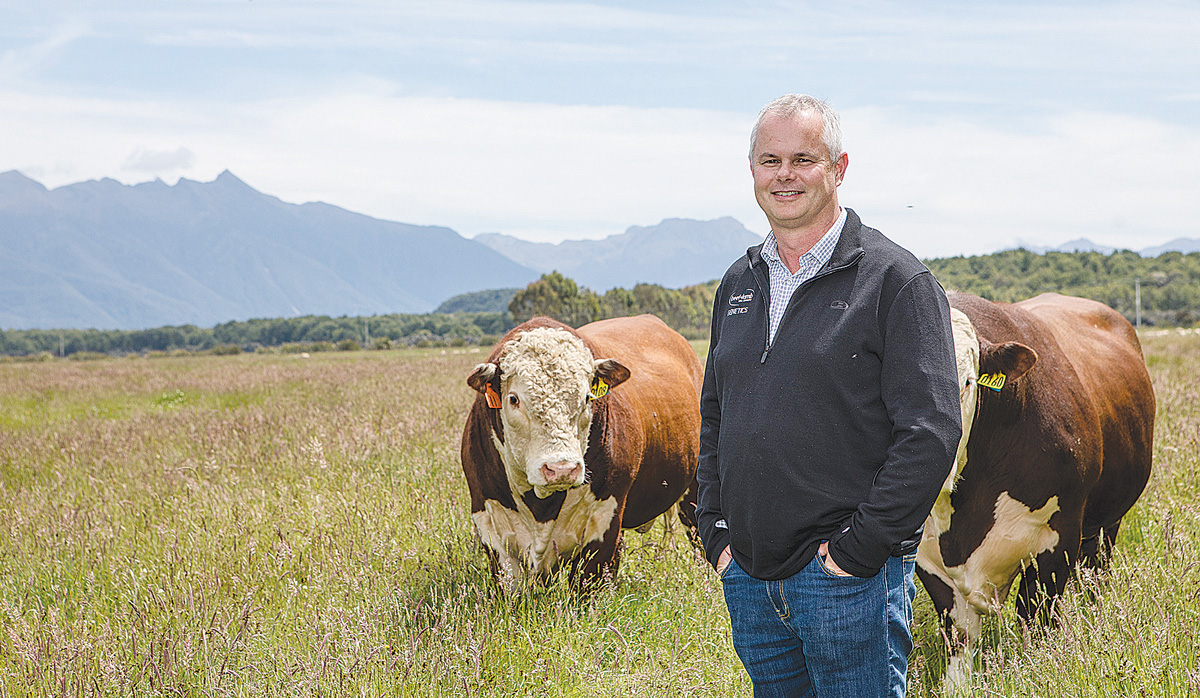
Dr Jason Archer, Beef + Lamb New Zealand's head of genetics. |
NZGEv6 will build on NZGE's current capability which evaluates over 11 million animals each week and incorporates over 160,000 genotypes. The updated version will have the ability to include millions of genotypes in a single evaluation.
A claimed benefit of NZGEv6 is its ability to include genotypes from diverse breeds in a single evaluation, eliminating the need for separate Maternal and Terminal evaluations.
Archer says when larger supersets of 450,000 genotypes can be combined in NZGEv6, they see greater accuracy. This allows the more effective use of all available data. "NZGEv6 puts us on a path to potentially allow for future genotyping of a wider range of breeds, such as shedding sheep and other emerging breeds."
He says NZGEv6 is also far better at handling new or less commonly measured traits such as meat quality, facial eczema or methane where there is only limited data available for genetic analysis relative to other traits. This means farmers will be able to effectively incorporate these traits into their breeding objectives, even when data is limited.
A Paradigm Shift
Jason Archer says NZGEv6 is part of B+LNZ's ongoing commitment to delivering world-class genetic tools to New Zealand sheep farmers.
He says the tool is a paradigm shift for stud breeders and supports their adoption of new genetic technologies such as genotyping.
Archer says it has been 25 years since Sheep Improvement Ltd (SIL) was formed. The first iteration of the NZGE, known as SIL-ACE, and the first across-flock evaluation was carried out in 2006.
Genomics began to be incorporated into SIL in 2017 starting with multi-step evaluation and this moved to a single-step evaluation a year later.
He says NZ sheep breeders are renowned for being fast adopters of tools that will help drive productivity, profitability and improve animal welfare. This has been reflected in their use of performance recording and the adoption of technologies such as genotyping.
Those breeders who have been using genotyping technology are generally making more rapid genetic progress and have higher-than-average breeding indexes, ultimately meaning more money for the commercial farmers using their genetics.
Bovine Viral Diarrhoea (BVD) remains one of the most significant infectious diseases affecting New Zealand dairy herds.

Bovine Viral Diarrhoea (BVD) is sometimes viewed as a dairy industry issue, but the reality is that the disease can have serious consequences for beef breeding herds as well.
When Simon Hales discovered triple drench resistance on his Weber farm, it was a catalyst to fast-track farm system change.
Body Condition Score (BCS) is a critical element in managing the health and reproduction of the dairy herd.
Bull management involves ensuring the right number of healthy bulls for your herd, minimising stress and reducing injury risks.


An Auckland gelato shop and an established New Zealand ice cream maker have both been named Supreme Champions at the NZ Ice Cream & Gelato Awards 2026.

As the cost-of-living crisis continues to put pressure on household grocery budgets, new figures show pork remains one of the most affordable fresh meat options for New Zealand families.
OPINION: In politics, credibility is and should be big. It must surely rank higher than charisma, which is quite trite and superficial. Yet, voters nowadays are often wooed and influenced by how someone looks or talks at a superficial level. TV plays a huge role in this.
Farmers can spend less time on paperwork, thanks to a new data sharing agreement between DairyNZ’s DairyBase and LIC’s MINDA software.
Kaikōura families affected by July's severe storm have found a practical solution to a problem that's kept some children away from regular schooling for weeks: a washed-out section of Inland Kaikōura Road, which has stopped the local school bus from running its usual route.
Rural New Zealand is welcoming the Government’s recent package of rural healthcare initiatives.