International Day of Rural Women: Two DairyNZ Farmers’ Stories
Today, 15 October, is the International Day of Rural Women, which recognises rural women’s contribution to farming, communities and the environment.
 increase font size
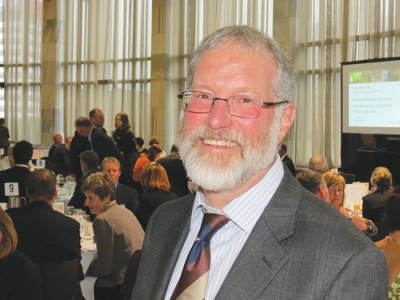 Rick Pridmore.
A world-first methane inhibitor vaccine is being developed by NZ scientists and they should know within about four months whether it is successful, says Rick Pridmore, who leads sustainability for DairyNZ.
It is often overstated that NZ has the best scientists in the world, but in this case it is true, says Pridmore, who is also chair of the Pastoral Greenhouse Gas Research Consortium.
They are trying to solve the problem of methane in pastoral animals and a vaccine is well suited to that, he told the International Federation of Agricultural Journalists Congress in Hamilton this month.
"If you can get a vaccine that works you will deal with every ruminant anywhere in the world."
A vaccine uses the body's antibodies to fight what is in your body. "It is your own body fighting itself, so you don't have to worry about toxicity, you don't have to worry about drugs and other implications," he told the congress.
"If you develop a vaccine you can bring it to the market in less than three to five years."
He says if you develop an inhibitor – a chemical compound that you put into an animal which kills the methanogens which make methane – it might take 10 years to research a number of aspects to bring it to market.
The vaccine, using a small amount of protein from common methanogens in ruminant animals, would prompt the antibodies within the animal's body to attack it. Normally that wouldn't happen because the rumen is big, there's lots going through and there are not enough antibodies.
The antibodies are developed in the saliva of the ruminant animal and the process is stoked by injecting the animal with blood serum because this and saliva are the most likely places antibodies can be produced.
"Once we inject them it starts a cycle; as the animal eats it salivates all the time, those antibodies keep being pumped into the rumen and you've got a machine that keeps going," Pridmore explained. "This keeps producing antibodies; they attack the methanogens and they get washed out the other end."
Pridmore says a paper came out two weeks ago from the New Zealand scientists. They took every kind of ruminant everywhere in the world from the top of mountains to down in the jungles and looked at the antigens in the guts. Everywhere in the world and with every kind of diet, two kinds of methanogens – the bacteria that make the methane – were found in reasonable abundance. He said if you can knock those two out, the vaccine will work
"The other good thing about a vaccine is it seems to last for a long time."
Today, 15 October, is the International Day of Rural Women, which recognises rural women’s contribution to farming, communities and the environment.
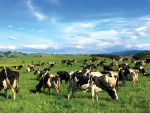
The first major update to the Dairy Cattle Code of Welfare in more than a decade has been released, marking what DairyNZ describes as an important step in ensuring animal welfare standards continue to evolve alongside scientific evidence and on-farm realities.
Have a plan in place for your cows and staff.
DairyNZ deputy chair Cameron Henderson has been re-appointed unopposed for another term.
OPINION: The stats speak for themselves.



Federated Farmers has welcomed new rural policies released by ACT, saying they align closely with its own election priorities.

Rural Contractors NZ says proposed changes to land transport rules for agricultural vehicles are a welcome response by the Government to out of date regulations which have seen members hit with huge fines.
Alliance is calling for final applications for its 2027 Graduate Programme, with applications closing on Sunday 25 October.
Decades piloting planes has ensured vet and farmer David Hayes is focused on safety. So, after a serious accident while welding on farm, he is sharing his experience so others can learn from it.
Canterbury milk processor, Synlait Milk has confirmed Leon Fung as its chief executive officer.
OPINION: Making it easier to collect rainwater and use it to grow crops and livestock is a no brainer.