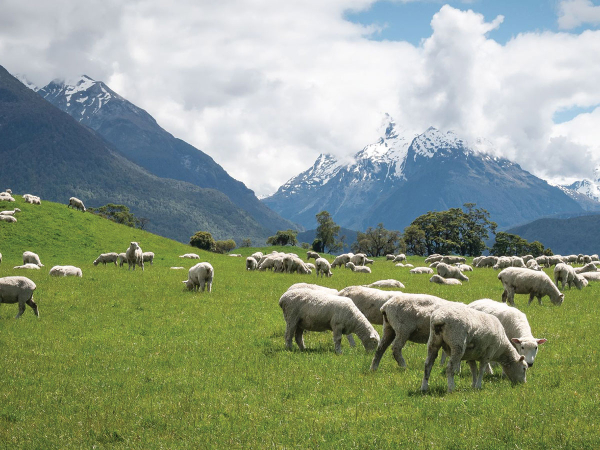
Recent rainfall has made for a fantastic growing season in many regions, but farmers are also reporting a proliferation in pests and diseases such as facial eczema, flystrike, porina and internal parasites.
According to Beef + Lamb NZ, anecdotal reports from around the country suggest that while many farmers are enjoying good pasture growth, they are also having to deal with some moisture-related animal health and pasture pest issues.
B+LNZ says it has a number of resources to help support farmer decision-making on its Knowledge Hub, while B+LNZ's AI driven assistant BELLA can give farmers information on a specific topic in seconds.
Flystrike
Moisture is a critical factor in flystrike, as for eggs to hatch and larvae to establish, they need at least 24 hours of moist conditions in the fleece.
The focus of any flystrike prevention programme is to make the sheep as unattractive as possible to the four problem blowfly species (Australian green blowfly, European green blowfly, Brown blowfly and hairy maggot blowfly).
An Integrated Pest Management Approach aims to keep pressure on a pest throughout all stages of its lifecycle and uses both chemical and non-chemical tools.
Facial eczema
Warm summer temperatures and high humidity create the perfect conditions for facial eczema.
B+LNZ encourages farmers in high-risk regions to undertake weekly monitoring, and when spore counts start to rise, put management strategies in place to prevent stock being affected by this production-limiting disease.
These strategies could include avoiding hard grazing, feeding "clean" forage crops such as chicory or plantain, dosing sheep and cattle with zinc oxide boluses or drenches, spraying zinc oxide onto grazed pastures or adding zinc oxide to cattle water troughs.
Porina moth
The warm moist conditions are favouring the survival of porina moths and caterpillars. Moths fly in spring, summer, and early autumn, living only a few days without feeding.
Female moths by over 3000 eggs scattered above pasture surfaces and eggs hatch in 10-21 days, with young caterpillars constructing silk-lined casings on the soil surface.
As they grow, they build permanent burrows reaching about 250mm deep, emerging at night to sever grass and clover leaves at the base of the plant. In sufficient numbers, porina caterpillars can cause significant pasture damage.
Internal parasites
Autumn creates optimal conditions for parasite development with warm, wet weather favouring worm larvae on pasture. Faecal egg counts typically reach highest levels in autumn as worm burdens peak in sheep.