Campaign Urges Growers to Plan Ahead on Resistance
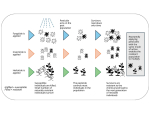
Growers and farmers are being encouraged to have an important conversation before the coming season starts: how to prolong the effectiveness of the crop protection tools they rely on.
 increase font size
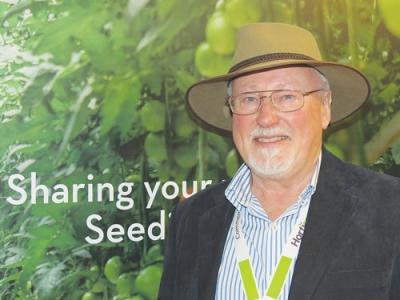 Julian Cribb.
An international agricultural journalist and science writer believes horticulture will, long term, gradually replace dairying as NZ’s leading farming and food production industry.
Julian Cribb, from Australia, keynote speaker at Horticulture NZ’s recent annual conference, made predictions on changes starting to gain traction in agricultural systems worldwide.
He says the change from dairy to horticulture will occur in 2030-2050, as Asian markets begin to demand more vegetables than dairy products.
“They will still want dairy products for sure, but they will want vegetables even more. There will be a transition from the old style: just as there has been a transition from beef and sheep to dairy, it will now go further to this new diet.”
Food fashion and changes in cultural demand and health will be in play, Cribb says, pointing out that four of every five consumers in New Zealand die from diet related diseases.
“These diseases cannot be cured by medicine: there are no cures for cancer and heart diseases. The diseases can be stabilised, but they can’t be stopped. To stop them we will have to put our kids onto healthy diets and that means horticulture. We will have to reduce the intake of meat, grains and sugar that underlies the worldwide pandemic of obesity and diabetes.”
Cribb says for civilisation to survive this century it must change its diet from being broadly European – meat and grains – to being broadly Asian – vegetables and fish. People will keep eating meat and grains, but less of them.
“Vegetables are massively more efficient in land and water use. You can grow 30 tonnes of cabbage with the same amount of water needed to produce 2kg of beef. It’s a much more efficient use of resources which will get dramatically scarce, e.g. farmers’ water being taken by the mega-cities and big energy companies.”
Growers and farmers are being encouraged to have an important conversation before the coming season starts: how to prolong the effectiveness of the crop protection tools they rely on.
OPINION: Alistair Carmichael raises some interesting questions about striking a balance between profitability in farming and preserving the character of rural communities.
A large-scale modern orchard development in coastal Mid-Canterbury is expected to eventually produce 116 million apples a year from 900,000 trees while also becoming a significant employer for the region.
Potatoes New Zealand is reflecting on its legacy of innovation, resilience and a commitment to growers as it gets ready to mark its birthday on 17th April.
Horticulture New Zealand (HortNZ) says a new report projects strong export growth for New Zealand's horticulture sector highlights the industry's increasing contribution to the national economy.
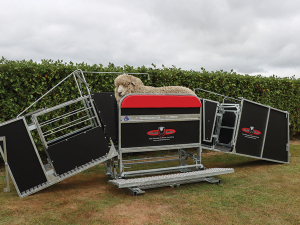
Oamaru-based livestock handling specialist Te Pari has bought Combi Clamp, the New Zealand manufacturer of Combi Clamp manual sheep handlers.
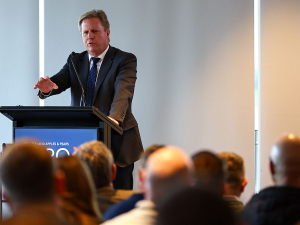
Agriculture Minister Todd McClay has admitted that a scheme bringing workers from Pacific nations to work on orchards has become too hard to navigate but says changes are coming.
A new app designed in New Zealand aims to help sheep, beef and deer farmers capture, analyse and use body condition score data more effectively.
Canterbury farmer Andy Macfarlane has been appointed to the board of AgriZeroNZ, the public-private partnership designed to accelerate the development and deployment of emissions reduction tools for New Zealand farmers.
For over 50 years Mel Ewers has been supporting the apple sector navigate through compliance and quality assurance issues.
The apple sector is enjoying a bumper harvest season.