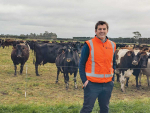
New Dairy Holdings CEO Backs Self-Contained Model
Running a tight and self-contained ship is the key to the success of the country's largest dairy farmer, says Blair Robinson, the new man at the helm of Dairy Holdings.
 increase font size
 Agricultural minister Damien O’Connor.
A rushed change to NAIT regulations has caused growing disquiet about the haste in which the new laws were passed under urgency in Parliament.
The farming industry at first publicly welcomed the changes: DairyNZ and Beef + LambNZ approved, although Federated Farmers said they were rushed.
Many people have told Rural News that they question the hastily enacted new laws and some of the new powers given to MPI.
The most contentious change now allows biosecurity officials to enter farmers’ properties – including the farmhouse – without getting a warrant, and they may seize anything they want.
Biosecurity Minister Damien O’Connor claims the package of ‘technical law changes’ is to support the Mycoplasma bovis eradication programme.
The response to M. bovis has highlighted problems in the National Animal Identification and Tracing scheme (NAIT) that should have been fixed years ago.
He says this was because farmers were not registering animal movements and compliance enforcement to ensure use of NAIT was lacking.
Changes passed under urgency in parliament align the NAIT Act search powers with the Search and Surveillance Act; they make it clear that all animal movements must be declared to NAIT even if the new location is not a registered NAIT location. Farmers will be held to account if they do not declare those movements to NAIT.
The new regulations also allow biosecurity officials to search farms and take documents without a warrant; this is causing most of the angst among farmers.
However, O’Connor claims the changes go no further than powers that already exist under other acts, which allow officers to lawfully obtain information where non-compliance is an issue.
The new regulations also make M. bovis a notifiable organism under the Biosecurity Act 1993, meaning people who suspect the presence of the disease in a new location must report it to MPI.
“Prompt reporting is necessary to eradicate the disease and a well-functioning NAIT is a key part of our efforts to protect our vital primary industries from pests and disease,” O’Connor says.
“Farmers and industry have been asking MPI to increase compliance so that people who are not complying can be held to account.”
BLNZ says the passing of the new laws on NAIT were necessary because it is critical to be able to trace movements of animals between farms in the event of a biosecurity incursion. It also says effective compliance forms are an important part of that process.
“Those farmers who work hard to comply with NAIT requirements have increasingly been asking for stronger penalties and compliance actions against those who put the industry at risk,” says BLNZ’s Dave Harrison.
“This will give them confidence that some action is being taken.”
Running a tight and self-contained ship is the key to the success of the country's largest dairy farmer, says Blair Robinson, the new man at the helm of Dairy Holdings.

OPINION: It's no surprise that "world-class biosecurity" continues to dominate as the top priority for agribusiness leaders, holding the number one spot for the 16th consecutive year in KPMG's latest agribusiness report.
A miserable budget that didn’t deliver much for anyone.
Moving Day (June 1) is just around the corner and farmers who are moving farms with the herd are being urged by Ospri to start preparations now.
National's decision to ‘dribble’ information about the NZ/India to Labour contributed to the delay in it deciding to supported the FTA.


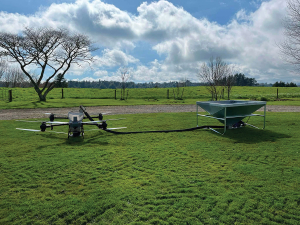
Agricultural drone operators say that a government decision to allow lower-risk drone work without certification won’t lower standards but drive innovation and efficiency.
Farmgate lamb prices are down by 8%, beef cattle by 4.5% and farm expenditure up by 4.2%.
Kiwifruit growers are watchful but remain optimistic as concerns around the potential effects of the El Niño weather pattern this season.
Almond hulls sourced from Australian orchards may have the potential to help New Zealand cows reduce emissions, boost milk yield and lower input costs.
Striking a balance between meeting the needs of industry to speed up approval time for products but on the other hand ensuring that risks are properly assessed.