SWNZ Strengthens People Pillar for Global Markets
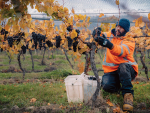
With ethical employment practices a "hot topic" in key markets, Sustainable Winegrowing New Zealand (SWNZ) is strengthening its People Pillar.
 increase font size
 Agriculture Minister Damien O’Connor says more New Zealanders need to get into farming and an upcoming advertising campaign will help to promote careers in the sector.
Despite the critical function the primary sector has to play in New Zealand’s economic recovery, it may not have the workforce available to carry this role out.
In May’s Budget, the Government announced funding of $19.3 million – over four years – for a range of initiatives to help “thousands of recently unemployed New Zealanders access training and work opportunities in the primary sector”.
“The primary sector will need about 50,000 more people. There is no shortage of international demand for our high-quality food and fibre. We now need a skilled workforce to help us seize the opportunities that are currently before us,” Agriculture Minister Damien O’Connor said at the time.
“There are jobs going all over the country, ranging from hands-on work in orchards and on farms to professional roles in engineering, science and management.”
O’Connor added that the immediate term goal was to place at least 10,000 New Zealanders in primary sector jobs by “rapidly retraining and absorbing workers displaced from other sectors like hospitality and aviation”.
However, despite the growing unemployment number and the millions of dollars being spent by the Government to try to fill hundreds of vacant farming jobs, sign-ups have been slow.
Earlier this month, O’Connor was in the Waikato to help launch a new $3 million dairy farming course. But so far, few locals want to take advantage of the course.
The new course only signed up eight people – despite having enough space for 12 trainees. Meanwhile, reports from Telford in South Island say a similar course with 180 spots had only 50 applicants.
O’Connor says more New Zealanders need to get into farming and an upcoming advertising campaign will help to promote the course.
The dairy sector is desperate to fill more than 1000 farming vacancies as the country heads into spring calf season, with border restrictions in the wake of Covid-19 stopping the flow of migrant workers who usually fill these roles. Each year, it relies on about 6000 migrant workers.
Dairy is not the only primary sector facing a crisis, with both the pork industry and agricultural contractors scrambling to fill vacant positions caused by the lack of migrant workers and lack of interest from locals. Primary sector organisations – along with other industries – are calling on the Government to fast-track immigration restrictions to alleviate a coming wave of job vacancies in many industries that New Zealanders seem unwilling to work in.
With ethical employment practices a "hot topic" in key markets, Sustainable Winegrowing New Zealand (SWNZ) is strengthening its People Pillar.

A miserable budget that didn’t deliver much for anyone.
OPINION: Farmers have been clear: it is getting harder, not easier, to find and keep good people.
National's decision to ‘dribble’ information about the NZ/India to Labour contributed to the delay in it deciding to supported the FTA.
When it comes to international trade, politicians from all sides of the aisle are united, says Labour's trade spokesman Damien O'Connor.


Federated Farmers says it welcomes Labour's commitment to reviewing the Sharemilking Agreements Act, calling on other major parties to do the same.
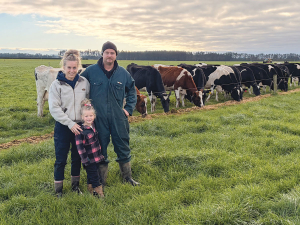
For Canterbury dairy farmers Sian Meijer and Rick Wobben, wearable technology has become one of their most valuable on-farm tools - helping manage 1850 cows across an expansive, high-performing dairy operation while improving efficiency, mating outcomes and day-to-day decision making.
Fonterra has unveiled its annual results for the 2026 financial year, posting $27 billion in revenue and close to $20 billion returned to New Zealand farmer owners and unit holders.
The first major update to the Dairy Cattle Code of Welfare in more than a decade has been released, marking what DairyNZ describes as an important step in ensuring animal welfare standards continue to evolve alongside scientific evidence and on-farm realities.
Ravensdown shareholders have elected Jane Montgomery and Kate Acland to the Ravensdown Board for three-year terms, following a closely contested director election.
Federated Farmers says new legislation replacing the Resource Management Act will cut red tape, unlock investment and help grow New Zealand's export-led economy, after the Planning Bill and Natural Environment Bill passed their third reading in Parliament yesterday.