NZ's avocado sector set up well for the future
Outgoing chief executive of New Zealand Avocado, Jen Scoular believes the sector is well set up despite a challenging environment for growers around the globe.
 increase font size
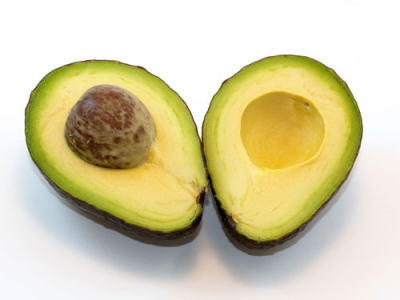 The NZ avocado industry has grown from $70 million value to $200m in four years.
The New Zealand avocado industry has grown from $70 million value to $200m in four years, says industry leader Tony Ponder.
“The NZ avocado industry has seen unprecedented growth in demand for avocados globally,” Ponder told Rural News.
“Key drivers of this demand are versatility, health benefits and the amazing taste of NZ avocados.”
Ponder is the new chairman of the NZ Avocado Growers Association (NZAGA) and Avocado Industry Council (AIC). He replaces Ashby Whitehead (chair since 2013) and has been on the NZAGA executive and the AIC Ltd board since 2006.
“The industry has experienced strong growth based on a well-developed strategy and I see my role as supporting... that strategy.”
He plans to ensure that NZ Avocado services stay relevant and valuable to all stakeholders -- building the capacity and structure of industry governance, maintaining market access and addressing underlying risks to the industry.
Crown investment and the Primary Growth Partnership: NZ Avocado Go Global scheme have been a key to the industry’s “fantastic growth in value right across the supply chain,” says Ponder.
The industry is experiencing year-on-year increase in value, Ponder says, and is “excited about current opportunities in new markets”.
Outgoing chief executive of New Zealand Avocado, Jen Scoular believes the sector is well set up despite a challenging environment for growers around the globe.

NZ Avocado Growers Association chief executive Jen Scoular will step down in August after serving 12 years in the role.
New Zealand’s avocado industry will take the spotlight in April 2023 when New Zealand hosts the World Avocado Congress next year.
New Zealand's avocado industry value eclipsed $227m in the 2020-21 season.
The New Zealand Avocado Growers’ Association (NZAGA) announced their new chair will be Linda Flegg.


Minister of Conservation Hon Tama Potaka has appointed Susan O'Regan as Chair of the Queen Elizabeth II National Trust (QEII) for a three-year term.
Red meat farmers are welcoming Labour’s plan to review the Emissions Trading Scheme and not to campaign on pricing agricultural emissions.
Where any worker in the kiwifruit industry is mistreated, we expect the authorities to take action.
Mid Canterbury Federated Farmers arable chair, Bevan Lill, said Beef + Lamb NZ data indicated that for the last six years, the average arable return on investment was about 0.8% while inflation ran about 4% - so the average arable farm was going backwards at about 3% a year.
Seed and grain companies share the concerns of arable farmers about the viability of their sector, says Seed and Grain New Zealand chief executive Dr Sarah Clark.
The New Zealand Institute of Forestry (NZIF) says unnecessary changes to New Zealand’s Emissions Trading Scheme (NZ ETS) will seriously erode investor confidence and result in significant reductions in forest planting rates.