Red Meat Farmers Welcome Labour's Emissions Pricing Pledge
Red meat farmers are welcoming Labour’s plan to review the Emissions Trading Scheme and not to campaign on pricing agricultural emissions.
 increase font size
 Silver Fern Farms’ Grant Howie says now that China is allowing Brazillian beef back into its market it shouldn’t impact on the current strong prices for NZ producers.
News that China is to allow Brazilian beef back into its markets shouldn’t derail the bull run the New Zealand industry is enjoying, says leading exporter Silver Fern Farms.
However, the outlook for sheep producers isn’t so bright.
Brazilian beef was shut out of China and several other major markets, including the US, after a case of BSE in 2012, but last month Chinese officials re-approved eight Brazilian processing plants for export and another nine are expected to follow.
SFF’s general manager sales, Grant Howie, told Rural News it will have an influence in the international market but that shouldn’t affect New Zealand’s trade too much.
Despite the ban, “quite a lot” of Brazilian beef had been finding its way into China through “grey channels” and Brazilian beef, with widespread use of Brahman genetics, is generally lower quality than New Zealand’s so is in a different sector.
New Zealand’s FTA with China also means we have a 10.7% duty advantage over Brazil, which is set to become a 12% edge when NZ-China beef tariffs drop to zero next year.
“The steak cut market – tender loins, rib-eyes, etc – is really strong. We’re getting record prices despite the Australian kill running red hot.”
That drought-driven Australian supply, plus New Zealand’s cull cow peak, has seen international grinding beef prices go off the boil but over winter they’ll rally, he predicts.
“The domestic US beef prices have held up and the gap with imported beef prices is as wide as it’s ever been. That’s not sustainable.”
He believes the gap will be closed more by a lift in import prices than a fall in the US domestic market.
“There could be a US50c/lb lift in price.” With the NZ$ at about US74c last week that equates to an extra NZ$1.50/kg.
Howie says US beef producers are rebuilding herds apace after several years of drought, spurred by the positive market outlook and low feed (corn) prices. Brazil can’t sell there at present and even if “murmurings” that the US market may reopen to Brazil become reality, all it will mean is Brazilian beef is redirected from other markets which could create opportunities for New Zealand elsewhere.
El Nino hasn’t yet influenced the beef market, though there’s plenty of talk and everyone is “wary of it,” he adds. “Typically it hits the Aussie industry pretty hard.”
Unfortunately for New Zealand’s sheep producers, the outlook for lamb isn’t so bright with the global economy sluggish and a dip in import demand from China due to disease-induced culls in the domestic flock.
“We’ve not formulated an official view on lamb for next season yet but there are a lot of dark clouds and I don’t believe we’ve seen the bottom yet unfortunately,” Howie told Rural News. “There’s product still to hit the market from Australia and New Zealand which could cause it to fall further before it comes back up again. Whether it’s cleared before next season remains to be seen.”
However, he stresses SFF’s not among those with stocks to clear this time, unlike a few years ago. “We are selling as we process so there’s no risk of the situation we had two or three years ago.”
Red meat farmers are welcoming Labour’s plan to review the Emissions Trading Scheme and not to campaign on pricing agricultural emissions.

Chinese beef trade quotas and a looming suspension of Brazilian beef imports into the European Union are expected to reshape global beef trade flows over the remainder of 2026, with implications for New Zealand exporters, according to Rabobank's Q3 Global Beef Quarterly report.
Bovine Viral Diarrhoea (BVD) is sometimes viewed as a dairy industry issue, but the reality is that the disease can have serious consequences for beef breeding herds as well.
Conversions of sheep and beef farms to forestry have slowed, however new research from Beef + Lamb New Zealand (B+LNZ) suggests land of value for food production remains at risk.
Esther Guy-Meakin has been announced as the new chief executive of the New Zealand Meat Board (NZMB).

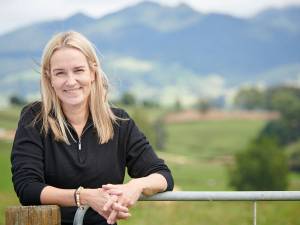
Minister of Conservation Hon Tama Potaka has appointed Susan O'Regan as Chair of the Queen Elizabeth II National Trust (QEII) for a three-year term.
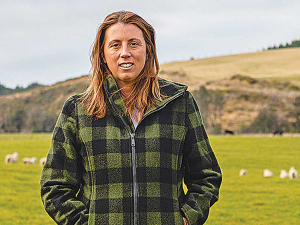
Red meat farmers are welcoming Labour’s plan to review the Emissions Trading Scheme and not to campaign on pricing agricultural emissions.
Where any worker in the kiwifruit industry is mistreated, we expect the authorities to take action.
Mid Canterbury Federated Farmers arable chair, Bevan Lill, said Beef + Lamb NZ data indicated that for the last six years, the average arable return on investment was about 0.8% while inflation ran about 4% - so the average arable farm was going backwards at about 3% a year.
Seed and grain companies share the concerns of arable farmers about the viability of their sector, says Seed and Grain New Zealand chief executive Dr Sarah Clark.
The New Zealand Institute of Forestry (NZIF) says unnecessary changes to New Zealand’s Emissions Trading Scheme (NZ ETS) will seriously erode investor confidence and result in significant reductions in forest planting rates.