Arable Sector Costs Are the Biggest Problem, Says FAR
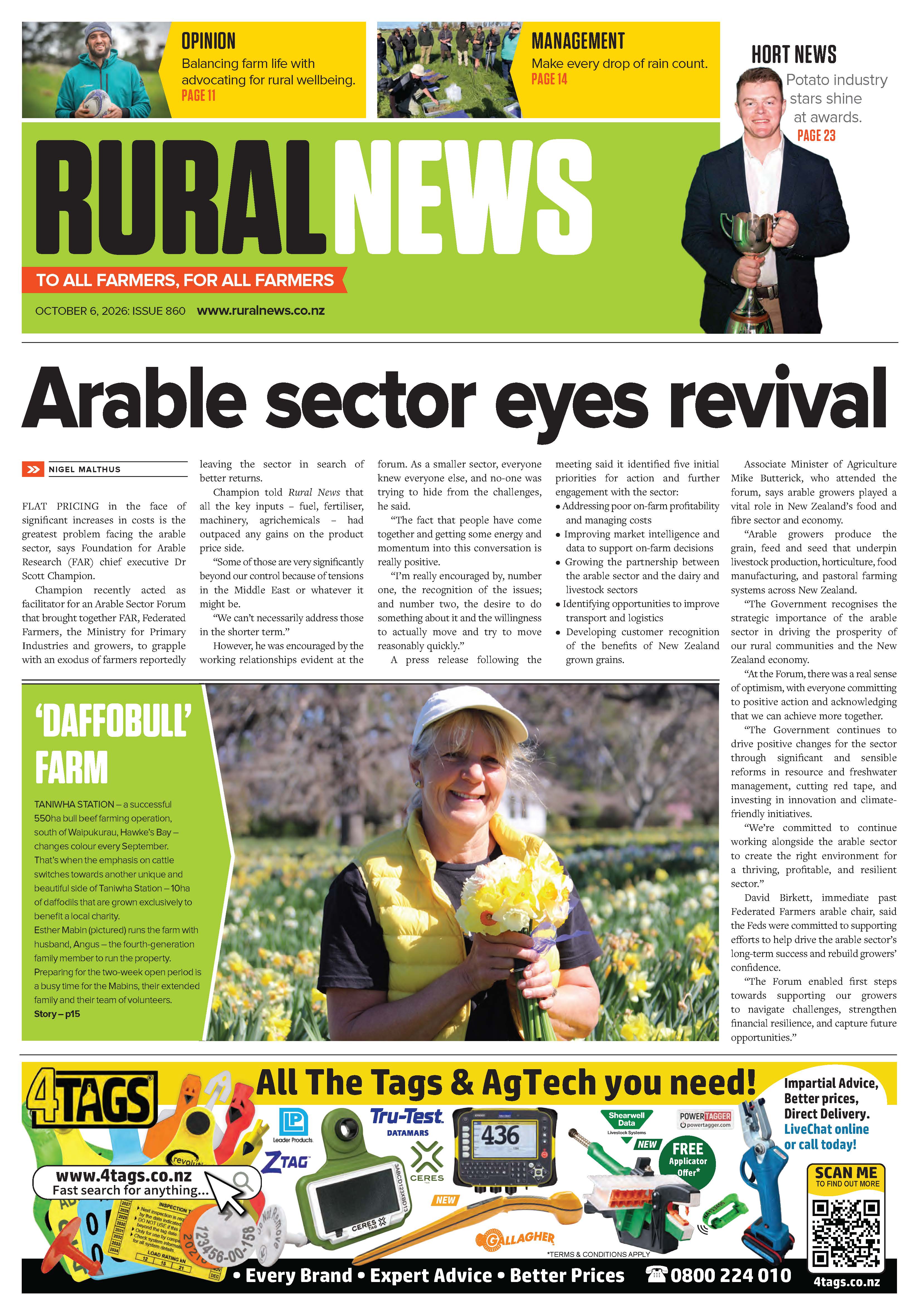
Flat pricing in the face of significant increases in costs is the greatest problem facing the arable sector, says Foundation for Arable Research (FAR) chief executive Dr Scott Champion.




 increase font size
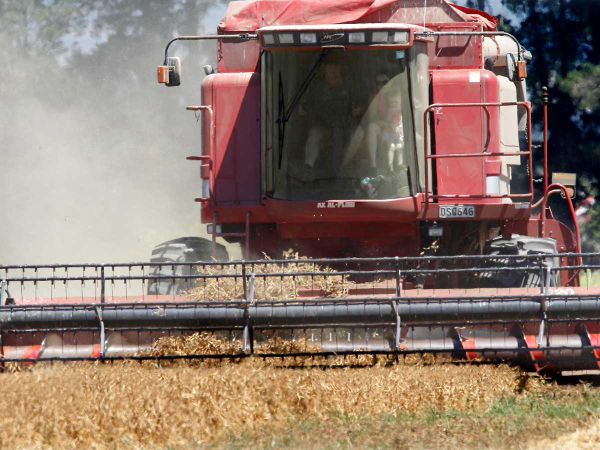
Mid Canterbury Federated Farmers arable chair, Bevan Lill, said Beef + Lamb NZ data indicated that for the last six years, the average arable return on investment was about 0.8% while inflation ran about 4% - so the average arable farm was going backwards at about 3% a year.
“That’s not sustainable in anyone’s imagination.”
Lill said that the seed companies believe they could look to other areas such as Southland for seed production if Canterbury farmers turn away from it.
But that might not be as easy as they think.
“The reality is a Southland sheep and beef farmer has a greater net profit per hectare than I do. So they’re not going to want to change to an arable system that’s less profitable than their current system.
“And the dairy farmers aren’t going to let a seed company push them out of their wintering ground. They’ll pay what’s needed to do the job.”
Lill said the companies were a bit naive in their approach, and the idea that they can go without Canterbury will be found wanting.
“And in the meantime, the Canterbury arable farmers will have moved on.”
Lill said the seed industry has wanted to ignore inflation and had not moved contract pricing “in the necessary direction” for a very long time.
Either they had to share the ‘pie’ more appropriately, or make the pie bigger.
“Either way, more money needs to get back within the farm gate for farmers. Otherwise they will go in search of a better option.”
Lill said his own farm, 400ha near Methven, had a traditional ryegrass seed production focus, alongside spring break crops and autumn-grown wheat. But over the last 10 years he has incorporated more and more trading lambs into the system, now finishing about 6000 lambs.
“That’s become a critical part of our business to the point where I now have about 50ha of the farm that doesn’t go through the combine. It’s planted in kale, forage crops,
and there’s an area of potatoes as well.”
Flat pricing in the face of significant increases in costs is the greatest problem facing the arable sector, says Foundation for Arable Research (FAR) chief executive Dr Scott Champion.
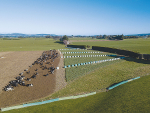
Central Otago District Council (CODC) has voted against a plan to spread treated sewage sludge from Cromwell and Alexandra on farmland near Lauder, a decision Federated Farmers says reflects strong opposition from rural residents.
Federated Farmers has called on Central Otago District Council (CODC) to drop or vote down a plan to truck sludge from Alexandra and Cromwell to farmland near Lauder, warning it would compound an "outrageous" situation created by a separate council's decision weeks earlier.
Federated Farmers says new legislation replacing the Resource Management Act will cut red tape, unlock investment and help grow New Zealand's export-led economy, after the Planning Bill and Natural Environment Bill passed their third reading in Parliament yesterday.
Leading figures from the major political parties will be questioned on their primary sector policies at the Rural Issues Debate at Mystery Creek Events Centre, Hamilton, on 30 September.
Farmer-owned fertiliser company, Ballance Agri Nutrients is welcoming National’s plan to negotiate security agreements with key supplier countries to protect New Zealand-bound products from export restrictions and greater supply chain certainty.
Carrfields has announced the appointment of Stu Hall to the newly created role of chief operating officer, Carrfields Ltd, reflecting the continued growth of their agribusinesses and the need to ensure the company has the leadership capacity and support in place as it pursues the emerging opportunities ahead.
New Zealand's role is not to compete with Indian growers, according to NZ Apples and Pears.
The potato industry is celebrating the success of two rising stars - James Blair, the 2026 Young Grower of the Year and runner-up and innovation award winner, Amber Davy.
Twenty-eight emerging leaders from across the horticulture sector spent two days last month learning valuable skills and connecting with industry experts.
There are five entrants in this year’s Young Horticulturist of the Year, competing in a series of technical, practical, business and leadership challenges.


OPINION: The same mainstream media muppets that brought you Jacindamania in 2017 have been flat out pimping for the Opportunities…
OPINION: Your old mate reckons the atrocious way farmers in the UK are treated by their lords and masters in…