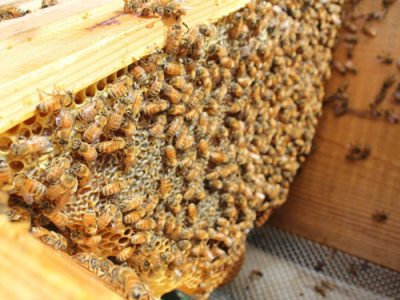
A survey has found beehive losses around the country last year to be 9.78%.
This is low to average when compared to international results. The 2015 survey found hive losses were 10.73%.
Ministry for Primary Industries director spatial, forestry and land management, Oliver Hendrickson, says the 2016 New Zealand Colony Loss and Survival Survey presents a good result for New Zealand’s apiculture industry.
He says it is important to have this evidence in order for MPI to work with beekeepers on initiatives to manage honey bee colony loss over time.
MPI has contracted Landcare Research to annually survey New Zealand's managed honey bee colonies from 2015 to 2017.
"It’s the beekeepers that make this survey so successful", says Landcare Research senior economist Pike Brown.
"Last spring, about 38% of all registered beekeepers, from hobbyists to the industry giants, completed the survey. This amounted to 275,000 hives, so we have some of the best data in the world for monitoring winter colony losses".
"In temperate climates such as New Zealand, some colony loss is expected over winter," says Brown. "Based on beekeepers' reporting, we estimate that colony losses in winter 2016 were 9.8%, which is significantly lower than losses reported in many other countries where similar surveys are undertaken. Our losses in winter 2016 were also similar to our losses in winter 2015", he says.
As in 2015, the commonly reported causes of hive loss in 2016 were colony death (which includes starvation and exposure to environmental toxins), queen problems (such as drone-laying queens), and wasps. Losses to American foulbrood disease, natural disasters, Argentine ants, and theft were less commonly reported, according to Brown.
The survey highlighted other challenges facing beekeepers as well, including competition for apiary sites and lost pollen and nectar sources. MPI is also engaging in a pathogen research programme to complement the survey by determining the prevalence of honey bee diseases and parasites already in New Zealand.