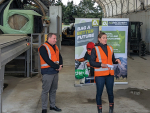
New Rural Recycling Scheme to Replace Voluntary Farm Plastics Programmes by 2027
Environment Minister Nicola Grigg has announced details of a new rural plastics recycling scheme.
 increase font size
 Buying loose produce at the supermarket could save Kiwis cash.
Food Waste Action Week 2024 is encouraging New Zealanders to ‘Choose What You’ll Us’, highlighting the benefits of buying loose fruit and vegetables.
Love Food Hate Waste NZ says that New Zealanders throw away over 14,000 tonnes of bananas, potatoes, and apples each year.
“Shockingly, fruit and vegetables are in the top three most wasted food items in New Zealand, costing us approximately $36 million every year,” says Juno Scott-Kelly, Love Food Hate Waste NZ’s marketing and communications manager.
“We know the cause of this waste comes down to food going off before it can be eaten and too much of it being purchased,” she says.
She says that with grocery prices 5.4% higher than they were a year ago, food waste has become a top concern for many Kiwis.
“When we shop with a list and only buy what we need, we can not only save up to $1,500 a year but help reduce the climate-damaging greenhouse gases coming from rotting food in our landfills,” Scott-Kelly says.
In line with the United Nations’ sustainable development goals, the government has committed to reducing food waste by 10% by 2030.
Love Food Hate Waste NZ is one of several projects funded by the Ministry for the Environment to tackle food waste in New Zealand households.
“The devastating impacts of Cyclone Gabrielle on our food producers and the flow-on effects on food prices over the last year emphasizes the urgent need for households to think about how they use their food, and what they consider to be waste,” says Scott-Kelly.
Now in its fourth year, Food Waste Action Week began in the UK in 2021, in support of the UN Sustainable Development goal of halving food waste by 2030.
This year’s theme is designed to demonstrate how valuable food is in our lives, how it unites people and how using up everything we buy saves money, time and the planet.
“We have lots of exciting things happening during Food Waste Action Week, so keep an eye on the Love Food Hate Waste Facebook and Instagram page over the week for great produce tips, recipes, and our quiz to help you discover how to only ‘Choose What You’ll Use’,” Scott-Kelly concludes.
Environment Minister Nicola Grigg has announced details of a new rural plastics recycling scheme.

The Ballance Farm Environment Awards are coming to the West Coast of the South Island.
There's been widespread support from the primary sector for the Government's announcement on changes to freshwater farm plans that come under the Natural Environment Bill, which is now set to replace the existing RMA.
The chair of the country's environmental regulator, the Environmental Protection Authority (EPA), says changes are already under way to improve the performance of the agency to better meet the needs of those who interface with them.
New Zealand's Emissions Trading Scheme (NZ ETS) encourages afforestation while not achieving climate goals, says a new report released by the Parliamentary Commissioner for the Environment, Simon Upton.


Federated Farmers says it welcomes Labour's commitment to reviewing the Sharemilking Agreements Act, calling on other major parties to do the same.
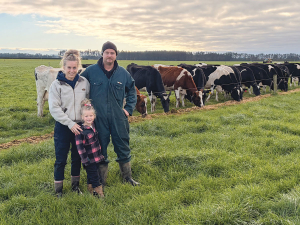
For Canterbury dairy farmers Sian Meijer and Rick Wobben, wearable technology has become one of their most valuable on-farm tools - helping manage 1850 cows across an expansive, high-performing dairy operation while improving efficiency, mating outcomes and day-to-day decision making.
Fonterra has unveiled its annual results for the 2026 financial year, posting $27 billion in revenue and close to $20 billion returned to New Zealand farmer owners and unit holders.
The first major update to the Dairy Cattle Code of Welfare in more than a decade has been released, marking what DairyNZ describes as an important step in ensuring animal welfare standards continue to evolve alongside scientific evidence and on-farm realities.
Ravensdown shareholders have elected Jane Montgomery and Kate Acland to the Ravensdown Board for three-year terms, following a closely contested director election.
Federated Farmers says new legislation replacing the Resource Management Act will cut red tape, unlock investment and help grow New Zealand's export-led economy, after the Planning Bill and Natural Environment Bill passed their third reading in Parliament yesterday.