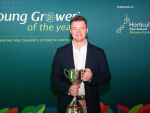
James Blair Named 2026 Young Grower National Champion
James Blair, an agronomist for AS Wilcox and the Pukekohe regional champion, has won the 2026 Young Grower national title.
 increase font size
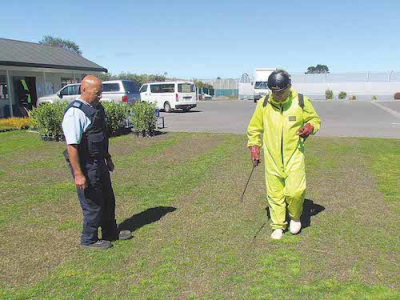 A Whanganui corrections officer instructs a Growsafe trainee.
A pilot scheme helping ex-prisoners and other offenders to find work in the horticulture industry is succeeding and will be expanded, says Corrections Minister Louise Upston.
Corrections and Horticulture NZ have seen the first year of a pilot scheme succeed in Hawkes Bay and now plan to expand it into Bay of Plenty. It trains prisoners to be work-ready for employers and sets up horticulture work opportunities for their release.
“Corrections appreciates the support and leadership of the horticulture sector, which is helping change the lives of offenders and giving new hope to their families,” Upston says.
“The pilot gives practical training to eligible prisoners who want work in horticulture and will stay in Hawkes Bay. It allows prisoners to leave prison with meaningful skills and qualifications, and the industry gets trained, qualified employees."
Three ex-offenders have so far got work in horticulture via the scheme, Upston says.
"This appears small, but new partnership agreements are now signed with four other large horticulture employers who support this scheme."
Horticulture is NZ’s fourth-largest export industry, earning $5 billion annually and looking for $10b by 2020. To achieve this it needs more trained and qualified staff in permanent roles especially on the East Coast and in Bay of Plenty, Waikato, Northland, Manawatu, Nelson/ Marlborough and Central Otago.
James Blair, an agronomist for AS Wilcox and the Pukekohe regional champion, has won the 2026 Young Grower national title.
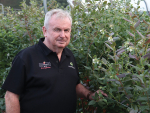
Blueberries have the potential to become a major horticultural export, earning up to $150 million within the next three to five years.
New Zealand needs to make sure that it continues to focus on its own food security, according to HortNZ board member and blueberry grower Dermott Malley.
According to a progress report on the Aotearoa Horticulture Action Plan (AHAP), New Zealand's horticulture sector is making real progress on the big issues facing growers.
Agriculture Minister Todd McClay has admitted that a scheme bringing workers from Pacific nations to work on orchards has become too hard to navigate but says changes are coming.



LIC shareholders have elected a new North Island representative to the co-operative's Board, along with five representatives to its Shareholder Reference Group (SRG), following the company's Annual Meeting held in Invercargill.
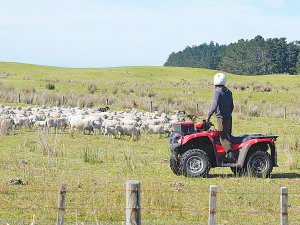
Farmers across parts of Southland and South Otago are continuing to deal with difficult conditions after a prolonged run of wet weather, with pressure building around feed supply, stock management, pasture damage, farm infrastructure and everyday workloads.
Federated Farmers says it welcomes Labour's commitment to reviewing the Sharemilking Agreements Act, calling on other major parties to do the same.
For Canterbury dairy farmers Sian Meijer and Rick Wobben, wearable technology has become one of their most valuable on-farm tools - helping manage 1850 cows across an expansive, high-performing dairy operation while improving efficiency, mating outcomes and day-to-day decision making.
Fonterra has unveiled its annual results for the 2026 financial year, posting $27 billion in revenue and close to $20 billion returned to New Zealand farmer owners and unit holders.
The first major update to the Dairy Cattle Code of Welfare in more than a decade has been released, marking what DairyNZ describes as an important step in ensuring animal welfare standards continue to evolve alongside scientific evidence and on-farm realities.




