
Bremworth reintroduces solution-dyed nylon while backing wool carpets
Carpet maker Bremworth is reinstating solution-dyed nylon (SDN) into its product mix but says wool carpets remain central to its brand.
 increase font size
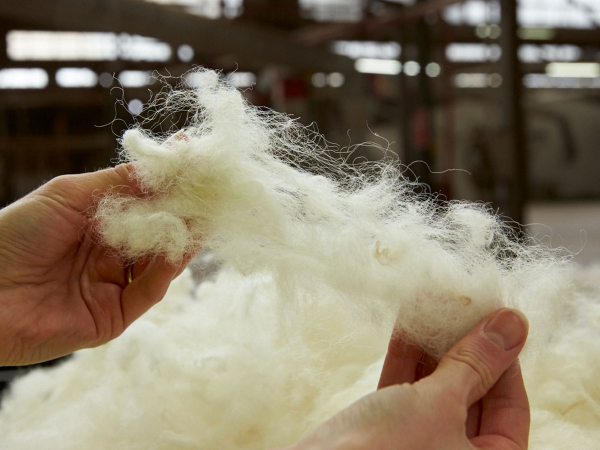 The legal stoush between Godfrey Hirst and Bremworth is far from over.
Despite claims by NZ carpet manufacturer Bremworth that an international rival has abandoned an ongoing court battle about the benefits of wool carpets, the legal stoush is far from over.
A legal battle between Godfrey Hirst and NZ-owned carpet company Bremworth began after the latter adopted a new strategy, which saw it move to use 100% NZ wool for the production of its carpets.
Bremworth then aggressively pitched its marketing and advertising around the environmental benefits of wool and the damage synthetics make to the planet.
However, Godfrey Hirst brought a case against Bremworth saying the NZ company’s claims around wool carpets being “better for the environment” and that a switch from synthetics to all wool carpets is “changing for good” were misleading.
In early August, Bremworth issued a media statement insinuating that the international carpet maker had ceased its case by withdrawing a damages claim.
However, Godfrey Hirst says it ‘elected to remove any claim for damages’ in its High Court Case against Bremworth relating to ‘greenwashing and misleading conduct in relation to synthetic carpets’.
“Godfrey Hirst is aware of Bremworth’s constrained financial circumstances and, in the public interest, wanted to do all it could to make it financially viable for Bremworth to correct any misleading and/or greenwashing marketing without the risk of Bremworth also having to pay damages,” the company says.
Godfrey Hirst added that it continues to actively pursue all aspects of its case against Bremworth in the High Court for the benefit of New Zealand consumers.
Meanwhile, Bremworth chief executive Greg Smith says his company stands by its “Let’s Go Good Together” campaign, which he says does not in any way mislead consumers.
Smith claims that wool carpets are not only the best for design and performance on the floor, he adds wool is also New Zealand grown, natural, biodegradable and renewable.
“New Zealand’s wool industry has struggled in recent decades against the backdrop of cheaper synthetics alternatives, but the world is changing and we are confident our homegrown wool is the natural solution to imported synthetic carpet fibres,” he says.
Smith adds that Bremworth’s own research proves more consumers see the benefits of wool.
“We firmly believe it is a consumer’s right to make an informed choice between wool products and synthetic alternatives, which are essentially plastic.”
Carpet maker Bremworth is reinstating solution-dyed nylon (SDN) into its product mix but says wool carpets remain central to its brand.

Premium wool carpet maker Bremworth is being sold to the world's largest flooring company.
A 50% tariff slapped by the US on goods from India last month has opened an opportunity for New Zealand wool carpets exports to North America.
Listed carpet manufacturer, Bremworth is undertaking a $6 million expansion at its Napier plant more than two years after the site was heavily damaged by Cyclone Gabrielle.
State-owned social housing provider Kainga Ora is switching to wool carpet for its new homes.


Waikato milk processor Tatua has again declared a record milk payout to farmer shareholders, leaving other processors in the dust.

A Labour-led Government won’t be bringing back the controversial freshwater rules of 2020.
National’s much-touted free trade deal with India featured in the Rural Issues Debate at Mystery Creek, Hamilton on Wednesday night.
New Zealand's 2026-27 freshwater fishing season has opened, with anglers encouraged to head to rivers and lakes over the coming days as conditions look favourable across much of the country.
Central Otago District Council (CODC) has voted against a plan to spread treated sewage sludge from Cromwell and Alexandra on farmland near Lauder, a decision Federated Farmers says reflects strong opposition from rural residents.
Pāmu has released its FY26 Integrated Annual Report, reporting a Net Operating Profit of $113 million, more than double the $49 million recorded in FY25.