Milk Powder Prices Prop Up Farmgate Milk Price
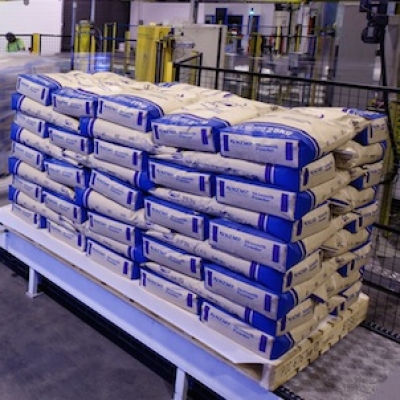
Milk powder prices are keeping farmgate prices up, helping processors offset the dip in milk fat prices.
 increase font size
CHINA and Russia are the biggest factors in the global dairy price crash of the last four months, says Rabobank New Zealand and Asia director of dairy research, Hayley Moynihan.
Addressing 200 farmers and rural professionals at Whangarei on November 26, Moynihan told the audience the soft landing predicted by the bank last year had turned into a quick price slide – largely due to events in the two economic powerhouses.
Late November 2013, Moynihan predicted a fall in global dairy prices, pointing to bumper grain harvests after significant droughts in the US and Europe and scrapped production caps in the EU.
Farmers in the ‘big-seven’ dairy export countries – the European Union, US, New Zealand, Australia, Argentina, Brazil and Uruguay – boosted production by a whopping 5.2% in the first half of this year. And while that fell below a 4% increase by the second half of the year, it wasn’t enough to stop falling prices.
Moynihan says New Zealand farmgate prices fell from 60 US cents/L at the end of the season to 35 US cents/L last month, while some European producers’ payouts went from 60 US cents/L to 45 cents/L during the same period. Economists had predicted this price drop but expected an evening-out in the short to medium term. But events in China and Russia threw a spanner in the works.
The China buying frenzy of the last two years ended when Chinese buyers discovered that not only had they overstocked on milkpowder, but their competitors had too.
Moynihan says though the China market may be perceived as highly organised, in fact it is highly competitive – competing buyers don’t share inventory levels – which sometimes results in anomalies like the one seen in dairy products. She says they will eventually get through the stockpile – it’s just a matter of time.
While internal difficulties were China’s undoing, global matters are the cause of blockages in Russia. In August Russia imposed sanctions on all dairy products from the European Union, US, Canada, Norway and Australia, after the row over the Ukraine worsened.
Moynihan expects prices to start levelling towards improvement by 2016. This view is shared by other industry players who predict the 2014-15 season could be a difficult one for farmers.
Milk powder prices are keeping farmgate prices up, helping processors offset the dip in milk fat prices.
A milk glut around the world shows no sign of easing, putting downward pressure on farmgate milk prices for the next few months.
China remains New Zealand’s biggest market, taking $23 billion of our exports, but it’s no longer a commodity story, says Prime Minister Christopher Luxon.
RaboResearch senior analyst Emma Higgins expects the 2026/27 dairy season to be another profitable one.
Fonterra is strengthening its foodservice presence in China with the launch of a new cream for professional bakeries at Bakery China 2026 in Shanghai.


Safer Farms is urging farmers to make sure everyone working on farm has safe, suitable footwear for the job.

The Government is backing work on a community-led water storage scheme that could irrigate up to 11,000 more hectares of the Poverty Bay flats, Agriculture Minister Todd McClay says.
Agri-tech company Herd-i has become a new all-region sponsor of the New Zealand Dairy Industry Awards (NZDIA), the largest nationwide celebration of excellence in the dairy sector.
Four candidates have been confirmed for two director positions on Fonterra’s board.
Returning to the family dairy farm after playing 20 years of professional rugby around the world is no easy task.
After delivering another record farmgate milk price to 100 supplying farms, independent milk processor Tatua is entering thee new financial year with a positive outlook.