
NZ Milk Price Could Hit $10/kgMS as Global Supply Eases
A 'tsunami' of milk from key exporting countries is winding down and this may be good news for New Zealand dairy farmers.




 increase font size
 Emma Higgins, Rabobank
RaboResearch senior analyst Emma Higgins expects the 2026/27 dairy season to be another profitable one.
But she notes that New Zealand farmers start the season with a marked squeeze on margins, driven by persistent and broad-based cost inflation.
"The ongoing closure of the Strait of Hormuz - now approaching its fourth month - is creating conditions reminiscent of past stagflationary shocks," she says.
"Initial impacts, particularly higher energy prices, are now flowing through into key upstream dairy inputs, including diesel, fertiliser, and industrial goods. Second-round effects are also emerging, with elevated energy costs feeding into broader inflation expectations.
"From here, the outlook becomes significantly more uncertain, warranting scenario-based planning.
"The key variablee is the duration of disruption: the longer the closure persists, the slower and more uneven the normalisation of energy and input markets is likely to be."
Higgins says while their base case scenario does not currently assume a prolonged closure of the Strait of Hormuz, the risk of a more extended disruption - beyond what markets are currently pricing - cannot be ignored.
“Inflationary pressures and weakening consumer sentiment are already testing demand resilience in dairy markets, and we expect this to continue over the months ahead.”
However, she says it’s also possible that, in a prolonged disruption scenario, global food import demand could rise sharply in a bid for food security, as energy-importing nations move to secure supply amid deteriorating terms of trade.
“This would likely support dairy commodity prices, with milk powder potentially returning to prior cycle highs and lifting New Zealand farmgate milk prices in the near term.
“The volatile operating environment farmers are now in underscores the need for wider-than-usual scenario planning across both costs and revenues, and for caution in treating commodity price spikes driven by geopolitical shocks as structural rather than temporary.”
A 'tsunami' of milk from key exporting countries is winding down and this may be good news for New Zealand dairy farmers.
Milk powder prices are keeping farmgate prices up, helping processors offset the dip in milk fat prices.
The avocado sector is entering the new season with a larger crop and positive market opportunities.
A team effort that is paying dividends for the wider New Zealand economy.
A milk glut around the world shows no sign of easing, putting downward pressure on farmgate milk prices for the next few months.


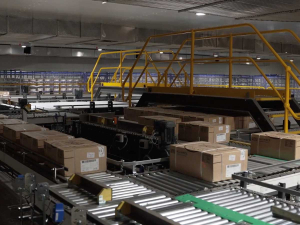
Alliance is calling for final applications for its 2027 Graduate Programme, with applications closing on Sunday 25 October.
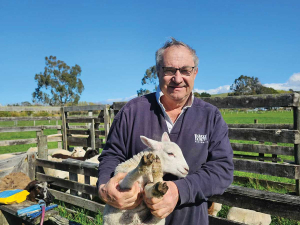
Decades piloting planes has ensured vet and farmer David Hayes is focused on safety. So, after a serious accident while welding on farm, he is sharing his experience so others can learn from it.
Canterbury milk processor, Synlait Milk has confirmed Leon Fung as its chief executive officer.
OPINION: Making it easier to collect rainwater and use it to grow crops and livestock is a no brainer.
As part of its Election 2026 coverage, Rural News asked political parties how they would help pull the arable sector out of the doldrums. Here's what they said:
Farmers are being encouraged to rethink how they manage waste on farm with the launch of ruralwastesorted.co.nz, a new website bringing together practical tips, real farmer experiences and resources.



OPINION: It seems Canterbury processor Synlait is still in the doldrums.
OPINION: Get offside with New Zealand First leader Winston Peters at your own peril.




