Cameron Bagrie Says Primary Sector Leading NZ Economic Recovery
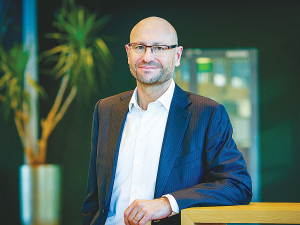
The primary sector is leading New Zealand's economic recovery, according to economist and researcher Cameron Bagrie.
 increase font size
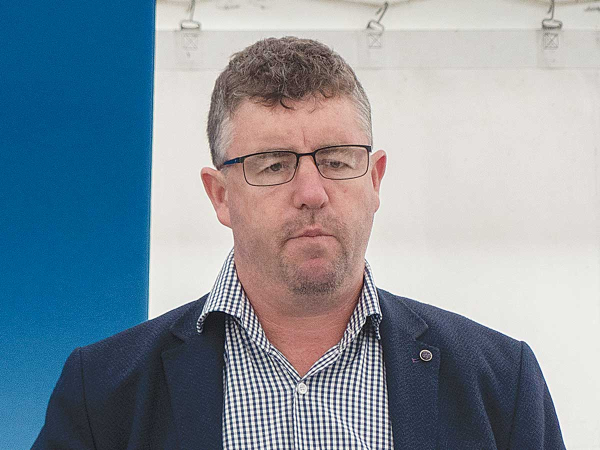 Economist Cameron Bagrie says the current rural inflation rate of around 15% is ‘absolutely breathtaking’.
"Absolutely breathtaking" is how well known economist Cameron Bagrie describes the current rural inflation rate of around 15%.
Bagrie says this compares with general inflation of just over 7% and business inflation sitting at around 10%. He says the tell-tale indicator of what’s happening to the country is the tax take.
Bagrie points out that in the last three months the tax numbers have “massively undershot” government expectations, which is borne out on payments of provisional and terminal tax. He says this is showing a flaw in the ideology that you can pump more costs onto the rural sector and there will be no collateral damage.
“But there is collateral damage and the real story here is about costs,” Bagrie explains. “What we are seeing now is that ideologies are being checked by economic reality. The economic reality is a big wake-up call for the Government because if firms are not making money, they don’t pay tax and the Government doesn’t have enough money to redistribute.”
Bagrie says it’s still early days and questions remain about what those numbers will look like in the future. He says, in the case of the primary sector, there is a need for a strong sales side and at the moment commodity prices are still volatile.
He says of all the sectors, the dairy industry to some degree has put itself in a more resilient position to counter this. Bagrie believes this is because over the past five years, farmers have made a point of paying down a lot of debt.
He says the sector is still facing the double whammy of high inflation and higher costs, which are affecting their bottom lines. He adds that the sector has been helped a bit by the NZ dollar, but the banks have pulled back on their expectations of what the dairy payout may be.
Bagrie says the dairy industry, like all businesses in NZ, will have to ruthlessly look at their bottom lines, cutting costs and recalibrating their operations.
He says this will be hard, given some of the environmental challenges that farmers have got coming – along with the ideological-driven policy agenda that’s been coming out of Wellington.
“The reality is that farmers won’t be paying as much tax and that will affect the economy.”
The primary sector is leading New Zealand's economic recovery, according to economist and researcher Cameron Bagrie.

OPINION: In the same way that even a stopped clock is right twice a day, economists sometimes get it right.
OPINION: Noted economist and self-promoter Cameron Bagrie took one look at KPMG's recently released Financial Institutions Performance Survey on banks and zeroes in one key number that suggests banks are so risk averse in this country that they are probably stifling growth and innovation.
SIDE 2024 organisers have secured some key speakers for the event. Here are four of the keynote speakers:
Registrations are quickly filling up for the South Island Dairy Event (SIDE), New Zealand’s largest dairy conference.

Farmer-owned fertiliser company, Ballance Agri Nutrients is welcoming National’s plan to negotiate security agreements with key supplier countries to protect New Zealand-bound products from export restrictions and greater supply chain certainty.

Carrfields has announced the appointment of Stu Hall to the newly created role of chief operating officer, Carrfields Ltd, reflecting the continued growth of their agribusinesses and the need to ensure the company has the leadership capacity and support in place as it pursues the emerging opportunities ahead.
New Zealand's role is not to compete with Indian growers, according to NZ Apples and Pears.
The potato industry is celebrating the success of two rising stars - James Blair, the 2026 Young Grower of the Year and runner-up and innovation award winner, Amber Davy.
Twenty-eight emerging leaders from across the horticulture sector spent two days last month learning valuable skills and connecting with industry experts.
There are five entrants in this year’s Young Horticulturist of the Year, competing in a series of technical, practical, business and leadership challenges.