M.I.A.
OPINION: The previous government spent too much during the Covid-19 pandemic, despite warnings from officials, according to a briefing released by the Treasury.
 increase font size
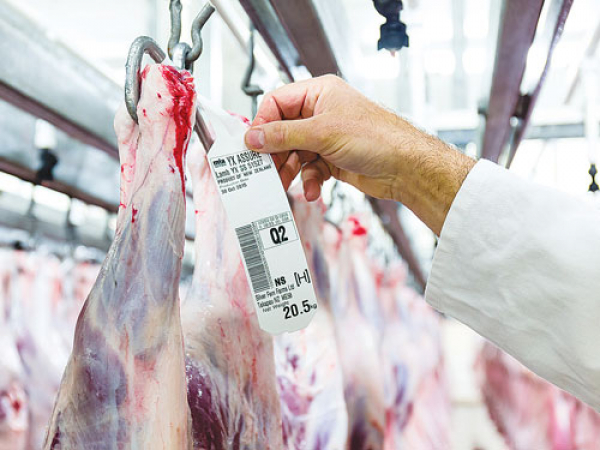 New meat processing protocols have reduced the industry’s peak processing capacity by approximately 50% for sheep and 30% for cattle.
COVID-19 will continue to impact heavily on the ability of farmers to get stock killed during April and May.
The impact is due to physical distancing requirements between meat plant employees to prevent the spread of the virus
Beef + Lamb New Zealand’s Economic Service, in conjunction with the Meat Industry Association and the processors, have just released its assessment on processing capacity across the country and the potential impact on waiting times for farmers.
The findings show the new meat processing protocols have reduced the industry’s peak processing capacity by approximately 50% for sheep and 30% for cattle.
Due to uncertainty about how long Alert Level 4 may last, and whether the physical distancing rule will remain under Alert Level 3, the modelling is based on these protocols remaining in place for eight weeks from the start of April.
Both BLNZ and MIA say they are acutely aware there are already significant waits for some farmers – especially on drought-hit regions of the country.
They’re forecasting extra delays to lamb processing in the South Island in April and May – with processing being pushed back at least a further week. In the North Island, no further delays are expected on top of what farmers are currently experiencing. There’s unlikely to be any impact on adult sheep or bobby calf processing.
Cattle farmers are being urged to talk to their processors – as each will have individual plans around prime versus manufacturing.
BLNZ are forecasting that bull processing is likely to be unaffected because the peak of processing occurred in January. However, it says farmers can expect a week’s delay – on top of any current backlog of prime steer and heifer – in both islands in May. It expects this extra one-week backlog to carry on through to June in the North Island.
MIA says it’s conscious of the problem and is working hard to see how production can be lifted under the COVID-19 protocol.
B+LNZ, says together with the MIA and processing companies, it will be updating processing data and reforecasting on a weekly basis and feeding this back to the industry. It will continue to give an overall picture on likely processing performance nationally, by island and stock class, and identify ongoing implications.
OPINION: The previous government spent too much during the Covid-19 pandemic, despite warnings from officials, according to a briefing released by the Treasury.
OPINION: Labour leader Chris 'Chippy' Hipkins is carrying on the world-class gaslighting of the nation that he and his cohorts started after their disastrous Covid response; now trying to undermine the Covid inquiry to protect his own backside.
OPINION: Did former PM Jacinda Ardern get fawning reviews for her book?
Recent widespread autumn rain will have triggered the germination of subterranean clover seeds, and the resulting seedlings should be allowed to reach the 3–4 trifoliate leaf stage before grazing, says Beef+Lamb NZ.
Ahead of the World Butchers' Challenge, the captains of 14 nations’ teams squared off in Paris over the weekend.



Testing confirms H5 bird flu in a single northern giant petrel, found dead on a remote Cape Palliser beach in the Wairarapa, says Dr Mary van Andel, the Ministry for Primary Industries' (MPI) Chief Veterinary Officer.

"What's for dinner?" may sound like a simple question, but for many Kiwi parents, answering it has become a job in itself.
Fifty Eight years ago, on the 16th of August 1968, August Claas, the founder of the harvesting company and father of Helmut Claas, personally presented a Claas Senator combine harvester to Scottish farmer John Steven.
New Zealand consumers are paying more for beef mince than ever before, with the average retail price now sitting above $24 per kilogram, according to Rabobank.
State farmer Pamu has delivered its strongest operating result on record.
Four years since it was first detected in New Zealand, researchers and growers now know much more about management of maize pest fall armyworm (FAW).