Editorial: Punching Above Our Weight
OPINION: With 10,500 dairy farms, New Zealand continues to punch above its weight around the world.
 increase font size
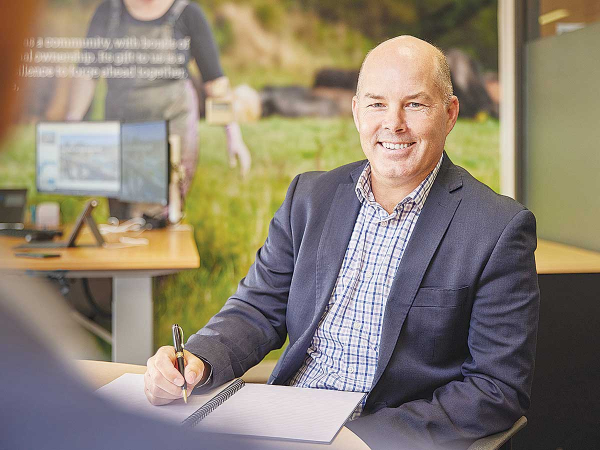 Westland Milk Products chief executive Richard Wyeth.
The next three months will be critical for the primary sector as it tries to get product to key markets in the midst of a logistical crisis.
Westland Milk Products chief executive Richard Wyeth told Rural News that the last quarter of the year, which is the peak of the milk production cycle, is when large volumes of dairy products are shipped overseas. He says the dairy industry needs to get its product to China at this time of the year to fit in with free trade agreement quotas.
Wyeth says the situation has been fine during the winter months and Westland has hit its export targets, but as volumes of product increase, the logistical issues start to hit home.
“Every week there are shipping delays with vessels skipping ports or simply not arriving at all and that certainly impacts on us and others,” he explains. “We are also seeing freight rates going up significantly – whether it’s chilled or dry freight.”
He says the costs Westland is expecting to see into next year are significantly higher than the current season, which is going to be challenging.
“Globally that means inflation and in turns it means that consumers will end up paying for that sometime in the future.”
Meanwhile, Wyeth says Westland’s new butter plant is now fully operational. The company recently installed two new state-of-the-art butter churns, which will allow it to produce up to 40,000 tonnes of butter for retail markets both overseas and in NZ – doubling its butter production capacity.
He says there have been no significant issues with the new plant – only minor commissioning issues which anyone might expect.
“We are very excited about the quality of the butter coming out of the plant and it will certainly help us achieve our long term goals of doubling our butter for retail sales,” Wyeth told Rural News. “The upgrade includes streamline packaging lines which help us make more butter for retail and less consumer bulk product.”
Currently the plant is heading towards producing about 30,000 tonnes of butter in retail packs.
OPINION: With 10,500 dairy farms, New Zealand continues to punch above its weight around the world.

Fonterra has reduced its forecast 2026/27 Farmgate Milk Price.
A revolving door of chief executives at milk processor Synlait is a warning sign, says Lincon University senior lecturer in agribusiness Nic Lees.
Troubled milk processor Synlait has lost its third chief executive in five years.
Canterbury milk processor Synlait is blaming what it calls "a perfect storm" of setbacks for a big loss in its half year result for the six months ended January 31, 2026.

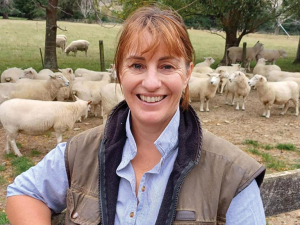
B+LNZ's Wormwise veterinarian Mary Bowron has won the Best Sheep and Beef Vet of the Year Award in recognition of her outstanding contribution to New Zealand’s sheep and beef sector.
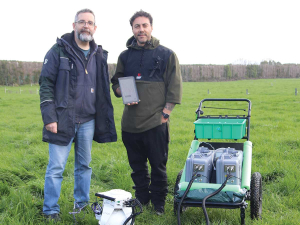
Researchers at Massey University are using a special piece of scientific equipment to improve the measurement of greenhouse gas emissions from pasture soils.
More signs of a booming kiwifruit sector.
OPINION: David Seymour and James Meager's plan to make it easier for farmers and orchardists to operate drones can best be described a 'courageous' move.
New Zealand wool is reaching new heights as air filtration companies move away from synthetic products to biodegradable alternatives.
Opuha Dam's ability to protect South Canterbury communities from major flooding has taken a significant step forward, with Opuha Water Limited (OWL) successfully commissioning a new outlet valve capable of releasing record volumes of water from the dam ahead of a weather event.