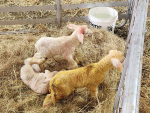
Beef + Lamb NZ's Lambing Kit Checklist for a Tough Season
With lambing underway in many regions, Beef + Lamb New Zealand is encouraging farmers to put together a wellequipped lambing kit to help minimise lamb losses, particularly in bad weather.
 increase font size
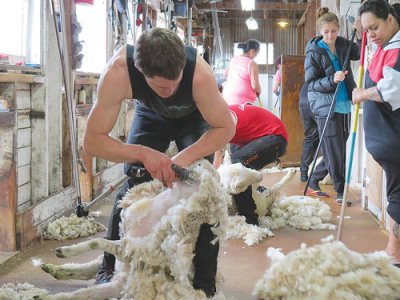 Last year 755 work-related injuries occurred during wool harvesting – resulting in 9300 working days lost.
The wool industry wants a new online training tool to be used in every woolshed to reduce the injuries occurring in and around the sheds.
Tahi Ngātahi was formally launched last week at the New Zealand Agricultural Show by shearing and farming industry leaders with the support of Agriculture Minister Damien O’Connor.
New Zealand Shearing Contractors Association president Mark Barrowcliffe says most wool harvesting injuries are preventable and all have a detrimental effect on everyone working in the business.
Last year 755 work-related injuries occurred in wool harvesting, resulting in 9300 working days lost (ACC weekly compensation data), and 4700 work-related injuries occurred in wool growing (farming) resulting in 35,000 days lost.
“We want to reduce the injury count by sharing how they can be prevented,” Barrowcliffe said.
“The way to do that is for all shearers, farmers and their staff to do this online programme. We want it to become part of every shed.”
Those who complete the programme are certified as being up-to-date on health and safety practices.
ACC has paid $1 million over three years for the programme in support of the industry taking the lead and partnering to reduce injuries. The programme is also supported by WorkSafe.
O’Connor told the launch that Tahi Ngātahi was an excellent joint effort that put people’s safety first and added value to farmers’ and shearers’ businesses.
“These industries can be proud that what started as an idea has now developed into an important and user-friendly injury prevention programme.”
Federated Farmers Meat & Wool chair Miles Anderson says the tool is valuable for farmers because they can complete their woolshed ‘warrant of fitness’ online, keep records of their certified workers and ensure their staff are trained to keep themselves and animals safe in the woolshed.
About Tahi Ngātahi
Tahi Ngātahi means ‘one, together’ and describes the industry-driven partnership between farmers, shearing contractors and government to prevent injuries in the wool growing and harvesting industry.
It’s an industry-led collaboration between the New Zealand Shearing Contractors Association, Federated Farmers and government agencies.
Farmers, shearing contractors and their staff go to www.tahingatahi.co.nz and sign in to begin the modules which cover all aspects of working in the woolshed. About 30 videos cover safety topics for all wool industry workers and farmers.
With lambing underway in many regions, Beef + Lamb New Zealand is encouraging farmers to put together a wellequipped lambing kit to help minimise lamb losses, particularly in bad weather.
Will a stronger, more coordinated voice help rebuild confidence and improve returns in the wool sector?
A Palmerston North shearer has been sentenced to six months' community detention and 12 months' supervision after being found to have physically abused three lambs while shearing them.
Organisers are expecting another full field of 40 of the country’s top shearers for the popular Speed Shearing event at this year’s Southern Field Days at Waimumu.
On January 5th at Te Pa Station, the World Sheep Shearing Records saw a new nine-hour strong wool ewes shearing record set by Simon Goss.



LIC shareholders have elected a new North Island representative to the co-operative's Board, along with five representatives to its Shareholder Reference Group (SRG), following the company's Annual Meeting held in Invercargill.
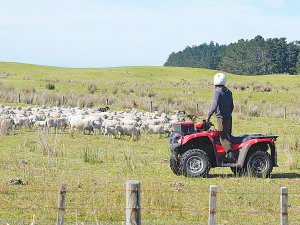
Farmers across parts of Southland and South Otago are continuing to deal with difficult conditions after a prolonged run of wet weather, with pressure building around feed supply, stock management, pasture damage, farm infrastructure and everyday workloads.
Federated Farmers says it welcomes Labour's commitment to reviewing the Sharemilking Agreements Act, calling on other major parties to do the same.
For Canterbury dairy farmers Sian Meijer and Rick Wobben, wearable technology has become one of their most valuable on-farm tools - helping manage 1850 cows across an expansive, high-performing dairy operation while improving efficiency, mating outcomes and day-to-day decision making.
Fonterra has unveiled its annual results for the 2026 financial year, posting $27 billion in revenue and close to $20 billion returned to New Zealand farmer owners and unit holders.
The first major update to the Dairy Cattle Code of Welfare in more than a decade has been released, marking what DairyNZ describes as an important step in ensuring animal welfare standards continue to evolve alongside scientific evidence and on-farm realities.




