
Kiwifruit Growers Prepare for El Niño, Stay Optimistic
Kiwifruit growers are watchful but remain optimistic as concerns around the potential effects of the El Niño weather pattern this season.
 increase font size
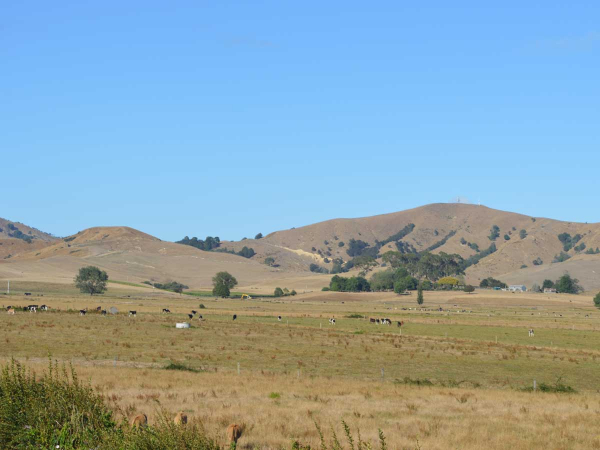
More parts of the North Island are now officially in drought.
Agriculture Minister Damien O'Connor today classified the drought conditions in the Gisborne, Manawatu, Rangitikei, and Tararua districts as a medium-scale adverse event.
The classification, which follows previous announcements in Northland, Auckland and Waikato, unlocks Government recovery assistance measures for farmers and growers.
“Many parts of the country are doing it tough due to a substantial lack of rain,” O'Connor said.
This classification means extra funding of $150,000 will now be available to coordinate support through local organisations like the Rural Support Trusts.
In extreme cases, Rural Assistance Payments will be made available to farmers in severe hardship, he said.
“It's important to recognise that while farmers and growers in these parts of the country have experienced dry conditions before, the current situation is only getting more difficult,” he says.
In the Tararua district, the extremely dry summer has affected river levels and particularly hit some areas near the Ruahine ranges that normally receive better summer rainfall. Stock water supplies as well as domestic and municipal water supplies have come under extreme pressure.
O’Connor added, “In the Gisborne district, Ngatapa, Rere and north of Tolaga Bay have received little rain with dams dry, feed availability low and farmers facing long delays in getting stock to the works.
"Farmers have been actively managing to meet the feed requirements of their stock and dairy herds are being milked less frequently and some are being dried off early.
“I’m continuing to keep an eye on several other regions, where extra help may also be needed," he said.
The $150,000 will bolster recovery activities in affected rural areas including:
Kiwifruit growers are watchful but remain optimistic as concerns around the potential effects of the El Niño weather pattern this season.

With forecasters advising El Niño conditions will develop through winter and strengthen into spring and summer, Ballance Agri-Nutrients is encouraging farmers and growers to think ahead about nutrient planning and be prepared to work around challenging weather conditions.
A miserable budget that didn’t deliver much for anyone.
National's decision to ‘dribble’ information about the NZ/India to Labour contributed to the delay in it deciding to supported the FTA.
Recent weather events in the Bay of Plenty, Gisborne/Tairawhiti, and Canterbury have been declared a medium-scale adverse event.


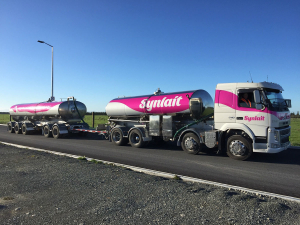
Synlait has swung to second-half profit as operations stabilise, but the dairy processor still posted a $75.4m annual loss.

LIC shareholders have elected a new North Island representative to the co-operative's Board, along with five representatives to its Shareholder Reference Group (SRG), following the company's Annual Meeting held in Invercargill.
Farmers across parts of Southland and South Otago are continuing to deal with difficult conditions after a prolonged run of wet weather, with pressure building around feed supply, stock management, pasture damage, farm infrastructure and everyday workloads.
Federated Farmers says it welcomes Labour's commitment to reviewing the Sharemilking Agreements Act, calling on other major parties to do the same.
For Canterbury dairy farmers Sian Meijer and Rick Wobben, wearable technology has become one of their most valuable on-farm tools - helping manage 1850 cows across an expansive, high-performing dairy operation while improving efficiency, mating outcomes and day-to-day decision making.
Fonterra has unveiled its annual results for the 2026 financial year, posting $27 billion in revenue and close to $20 billion returned to New Zealand farmer owners and unit holders.