India FTA Unites NZ First, Greens
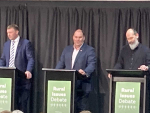
National’s much-touted free trade deal with India featured in the Rural Issues Debate at Mystery Creek, Hamilton on Wednesday night.
 increase font size
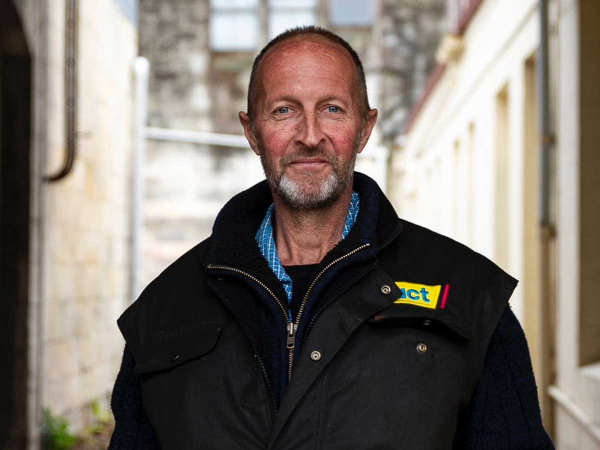 ACT MP Mark Cameron
ACT MP and farmer Mark Cameron is calling on Parliament to thank farmers by reinstating provisions within the Resource Management Act that prevent regional councils from factoring climate change into their planning.
He says that the current laws have seen councils pile compliance costs onto farmers in favour of climate action.
“Currently, councils are allowed to use the Resource Management Act to impose a confusing array of restrictions on how New Zealanders use their land, supposedly to cut emissions,” says Cameron.
“These changes were made by the previous government, essentially sacrificing property rights to the altar of the climate gods,” he adds.
In June last year, Cameron who introduced a member’s bill seeking to clarify the framework for managing greenhouse gas emissions in New Zealand by removing the ability to set rules on the basis of national environmental standards for greenhouse gas emissions.
He says it is impractical to expect regional councils to tackle global climate issues.
“It’s an exercise in futility, especially since emissions are already managed at a national level through the Emissions Trading Scheme,” Cameron says.
“If one council clamps down on emissions, it simply shifts high-carbon activities to another region. Plus, councils lack the capability to account for carbon offsets companies might have elsewhere in the country,” he says.
Cameron says that local governments needs to be focused on roads and rates.
"Kiwi farmers are the most efficient in the world, and my bill would be a helpful step to enable them to focus on what they do best: growing the food that fills our bellies and bringing in the money that keeps our economy ticking."
National’s much-touted free trade deal with India featured in the Rural Issues Debate at Mystery Creek, Hamilton on Wednesday night.
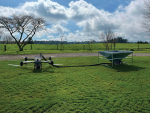
Agricultural drone operators say that a government decision to allow lower-risk drone work without certification won’t lower standards but drive innovation and efficiency.
Striking a balance between meeting the needs of industry to speed up approval time for products but on the other hand ensuring that risks are properly assessed.
It was billed as a chance for all the political parties to woo the rural vote, but question marks hang over just how effective this was.
Red meat farmers are welcoming Labour’s plan to review the Emissions Trading Scheme and not to campaign on pricing agricultural emissions.

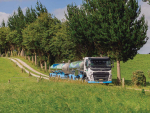

Farmer-owned fertiliser company, Ballance Agri Nutrients is welcoming National’s plan to negotiate security agreements with key supplier countries to protect New Zealand-bound products from export restrictions and greater supply chain certainty.
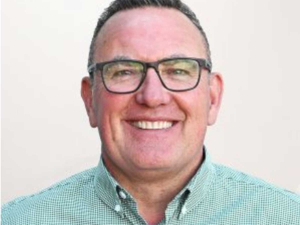
Carrfields has announced the appointment of Stu Hall to the newly created role of chief operating officer, Carrfields Ltd, reflecting the continued growth of their agribusinesses and the need to ensure the company has the leadership capacity and support in place as it pursues the emerging opportunities ahead.
New Zealand's role is not to compete with Indian growers, according to NZ Apples and Pears.
The potato industry is celebrating the success of two rising stars - James Blair, the 2026 Young Grower of the Year and runner-up and innovation award winner, Amber Davy.
Twenty-eight emerging leaders from across the horticulture sector spent two days last month learning valuable skills and connecting with industry experts.
There are five entrants in this year’s Young Horticulturist of the Year, competing in a series of technical, practical, business and leadership challenges.