RMA Reform: Sheep & Beef Farmers React to New Bills
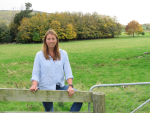
Beef + Lamb New Zealand (B+LNZ) says it welcomes the passage of the Natural Environment Bill and Planning Bill, calling the bills a positive step for sheep and beef farmers.
 increase font size
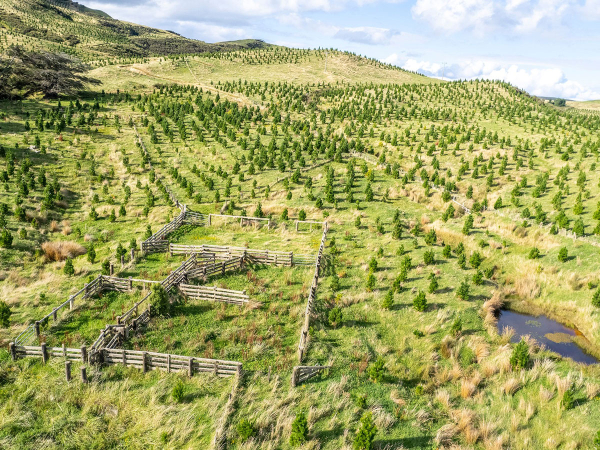 The Climate Change Response (Emissions Trading Scheme Forestry Conversions) Amendment Bill has passed its third reading in Parliament.
The Government claims to have delivered on its election promise to protect productive farmland from emissions trading scheme (ETS) but red meat farmers aren’t happy.
The Climate Change Response (Emissions Trading Scheme Forestry Conversions) Amendment Bill has passed its third reading in Parliament.
Minister of Agriculture and Forestry Todd McClay says the Bill strikes the right balance between protecting New Zealand’s most productive farmland and maintaining confidence in the ETS.
“We campaigned on stopping the wholesale conversion of farms into pine forests, and we have delivered.
“This Bill restores balance. It protects food production, supports rural communities, and ensures foresters can continue to invest with confidence.”
But Beef + Land New Zealand believes the legislation still doesn’t go far enough to slow the rate of productive sheep and beef land being lost.
Chair Kate Acland says B+LNZ called for changes to the legislation during the Environment Committee process.
“We’re pleased to see the legislation contains some changes following consultation, including tightened criteria for temporary exemptions on land converted after 4 December 2024 entering the ETS, and bringing forward a review of the annual hectare limit to 2028.
“It’s also encouraging that the Government has committed to addressing the significant increase in pests that we’ve seen in the last couple of years as a result of the increase in forestry and improving fire management. These are areas of major concern for our farmers.
“However, what hasn’t changed is the fundamental issue that the legislation won’t go far enough in slowing down whole farm sales for conversion.
“We’re really disappointed our calls to extend the moratorium on whole farm conversions to all land classes, not just classes 1-5, have not been listened to.”
She says 89% of whole farm conversions to date have occurred on land classes 6-8.
Land class 6, in particular, is highly productive and vital to the red meat sector, she says.
“It is good to see some concrete limits in place, but we remain concerned that this is just tinkering around the edges rather than truly addressing this devasting issue for our sector.
“B+LNZ has been calling for action since 2019 and we’ve lost at least 300,000 hectares of whole sheep and beef farms to forestry interests since 2017. Our modelling shows that even with the new restrictions we could see a further 650,000 hectares lost by 2050 – and a total of one million hectares would equate to an 18 percent drop in stock units.
“We can’t double exports if we’ve planted our breeding land in trees. New Zealand’s ETS settings are artificially distorting the market and incentivising this wholesale conversion – we are the only country in the world, apart from Kazakhstan, to allow 100 percent offsetting in its carbon pricing mechanism.”
Key changes in the Bill include:
Beef + Lamb New Zealand (B+LNZ) says it welcomes the passage of the Natural Environment Bill and Planning Bill, calling the bills a positive step for sheep and beef farmers.

If you're thinking about investing in ways to push feed forward, this is the year to do it.
Red meat farmers are welcoming Labour’s plan to review the Emissions Trading Scheme and not to campaign on pricing agricultural emissions.
The New Zealand Institute of Forestry (NZIF) says unnecessary changes to New Zealand’s Emissions Trading Scheme (NZ ETS) will seriously erode investor confidence and result in significant reductions in forest planting rates.
B+LNZ's Wormwise veterinarian Mary Bowron has won the Best Sheep and Beef Vet of the Year Award in recognition of her outstanding contribution to New Zealand’s sheep and beef sector.


Federated Farmers says it welcomes Labour's commitment to reviewing the Sharemilking Agreements Act, calling on other major parties to do the same.
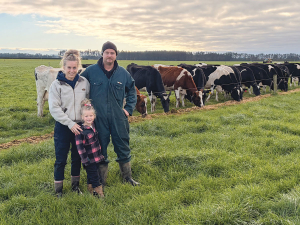
For Canterbury dairy farmers Sian Meijer and Rick Wobben, wearable technology has become one of their most valuable on-farm tools - helping manage 1850 cows across an expansive, high-performing dairy operation while improving efficiency, mating outcomes and day-to-day decision making.
Fonterra has unveiled its annual results for the 2026 financial year, posting $27 billion in revenue and close to $20 billion returned to New Zealand farmer owners and unit holders.
The first major update to the Dairy Cattle Code of Welfare in more than a decade has been released, marking what DairyNZ describes as an important step in ensuring animal welfare standards continue to evolve alongside scientific evidence and on-farm realities.
Ravensdown shareholders have elected Jane Montgomery and Kate Acland to the Ravensdown Board for three-year terms, following a closely contested director election.
Federated Farmers says new legislation replacing the Resource Management Act will cut red tape, unlock investment and help grow New Zealand's export-led economy, after the Planning Bill and Natural Environment Bill passed their third reading in Parliament yesterday.