
Kiwifruit Growers Prepare for El Niño, Stay Optimistic
Kiwifruit growers are watchful but remain optimistic as concerns around the potential effects of the El Niño weather pattern this season.
 increase font size

Rainfalls and temperatures around the country are likely to be near normal for almost all regions, says NIWA.
However, in lower South Island, facing dry conditions since December, rainfall is likely to be normal or below normal and temperatures are likely to be average or above average.
NIWA predicts soil moisture levels and river flows to follow the same regional pattern to rainfall: likely to be near normal for almost all regions, but normal or below normal for the west and south of the South Island.
A moderate La Niña is in place in the tropical Pacific and should persist into early autumn 2012 before fading back to neutral conditions.
For the February to April season, mean sea level pressures for early autumn (February to April) are likely to be above average south and southeast of the country, but below average to the north of New Zealand.
NIWA says for the February-April period as a whole, air temperatures are likely to be near average in most regions, but near average or above average in the west and south of the South Island. Sea surface temperatures in the New Zealand region are likely to be near average.
It projects that early autumn rainfall totals, soil moisture levels, and river flows are all likely to be near normal throughout most of the country. But the exception is the west and south of the South Island, where normal or below normal conditions are likely.
For Northland, Auckland, Waikato and Bay of Plenty, early autumn temperatures are likely to be near average. Seasonal rainfall totals, soil moisture levels, and river flows are all likely to be near normal.
In central North Island, Taranaki, Wanganui, Manawatu and Wellington, seasonal temperatures are likely to be near average. Early autumn rainfall totals, soil moisture levels, and river flows are likely to be near normal, for the three month season as a whole.
For Gisborne, Hawke's Bay and Wairarapa, late summer temperatures are likely to be near average. Seasonal rainfall totals, soil moisture levels, and river flows are all likely to be near normal.
Nelson, Marlborough and Buller can look forward to near average temperatures over the early autumn period.
Seasonal rainfall totals, soil moisture levels and river flows are likely to be near normal for the time of year.
For the West Coast, Alps and Foothills, Inland Otago and Southland, early autumn temperatures are equally likely to be near average or above average. Seasonal rainfall totals, soil moisture levels and river flows are all equally likely to be near normal or below normal.
For coastal Canterbury and East Otago, early autumn temperatures are likely to be average. Seasonal rainfall totals, soil moisture levels and river flows are likely to be near normal.
Kiwifruit growers are watchful but remain optimistic as concerns around the potential effects of the El Niño weather pattern this season.

With forecasters advising El Niño conditions will develop through winter and strengthen into spring and summer, Ballance Agri-Nutrients is encouraging farmers and growers to think ahead about nutrient planning and be prepared to work around challenging weather conditions.
Recent weather events in the Bay of Plenty, Gisborne/Tairawhiti, and Canterbury have been declared a medium-scale adverse event.
Sheep and beef farmers in Hawke's Bay are being urged to keep a close eye on the wells that supply water to their stock.
Agriculture and Forestry Minister Todd McClay is encouraging farmers and growers to stay up to date with weather warnings and seek support should they need it.


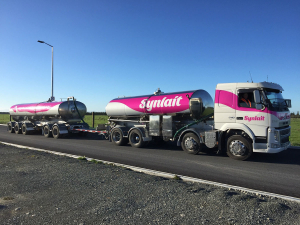
Synlait has swung to second-half profit as operations stabilise, but the dairy processor still posted a $75.4m annual loss.

LIC shareholders have elected a new North Island representative to the co-operative's Board, along with five representatives to its Shareholder Reference Group (SRG), following the company's Annual Meeting held in Invercargill.
Farmers across parts of Southland and South Otago are continuing to deal with difficult conditions after a prolonged run of wet weather, with pressure building around feed supply, stock management, pasture damage, farm infrastructure and everyday workloads.
Federated Farmers says it welcomes Labour's commitment to reviewing the Sharemilking Agreements Act, calling on other major parties to do the same.
For Canterbury dairy farmers Sian Meijer and Rick Wobben, wearable technology has become one of their most valuable on-farm tools - helping manage 1850 cows across an expansive, high-performing dairy operation while improving efficiency, mating outcomes and day-to-day decision making.
Fonterra has unveiled its annual results for the 2026 financial year, posting $27 billion in revenue and close to $20 billion returned to New Zealand farmer owners and unit holders.



