India FTA Removes 33% Tariff on NZ Sheepmeat
New Zealand’s red meat sector has welcomed the India-New Zealand Free Trade Agreement taking effect, which removes India’s 33% tariff on New Zealand sheepmeat.
 increase font size
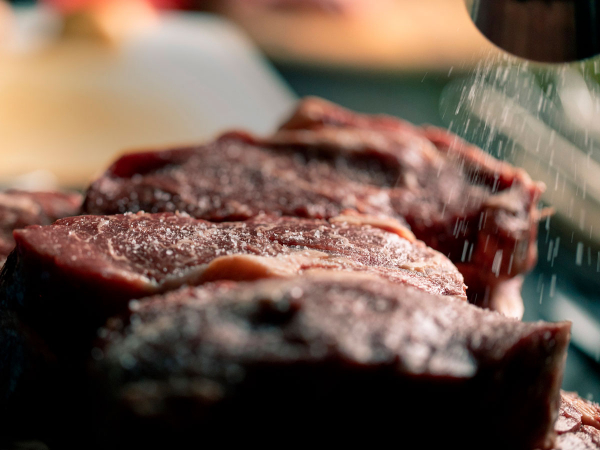 A team of researchers will look at the benefits of pasture-raised beef and lamb.
New Zealanders will be invited to take part in a major research programme to assess the health and wellbeing benefits of eating pasture-raised beef and lamb, compared to alternatives.
Approximately 100 people will be monitored in two ground-breaking clinical studies, led by researchers from AgResearch, the Riddet Institute and the University of Auckland.
The projects will assess the physical effects on the body from eating the different foods for up to 10 weeks, as well as psychological elements, such as satisfaction, sleep and stress levels.
The research team includes meat scientists, agricultural academics, dietitians, behavioural experts and social scientists.
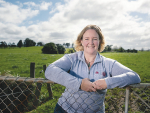
Sirma Karapeeva, chief executive of Meat Industry Association, is excited by the programme of research being undertaken.
She said much of the global research on the health, nutritional and environmental aspects of red meat was based on intensive grain-finished farming systems.
“However, New Zealand specialises in free-range livestock farming that is naturally pasture-raised, antibiotic-free and hormone-free,” Karapeeva said.
“We know there are myths and misinformation about the production and benefits of eating red meat, so we have turned to research to help bring balance to what consumers are hearing.
She said that consumers are making decisions around their diets based on ideologies.
“In part, this is a backlash against broken food systems, such as factory farming and ‘big food’. There is a growing consumer desire for better quality food produced from natural systems, which supports a strong future for ‘real’ red meat as produced in New Zealand,” Karapeeva said.
 |
|---|
|
Meat Industry Association chief executive, Sirma Karapeeva says she is excited by the research. |
Results from the two studies will provide baseline data about pasture-raised beef and lamb and its consumption in comparison to other foods.
A sustained clinical study will see members of 40 households on a managed flexitarian dietary regime over 10 weeks.
Participants will be monitored over the course of the study and changes in health status, behaviours and attitudes and perceptual well-being recorded.
The research is supported by Meat Industry Association Innovation (MIA Innovation) and jointly funded with Beef + Lamb New Zealand Ltd, the High-Value Nutrition National Science Challenge, and the Ministry of Business, Innovation and Employment (MBIE).
New Zealand’s red meat sector has welcomed the India-New Zealand Free Trade Agreement taking effect, which removes India’s 33% tariff on New Zealand sheepmeat.
New Zealand's red meat and fifth-quarter exports reached $867 million in August, up 23% on the same month last year, as stronger returns lifted earnings across all major markets.
Meat Industry Association data, released alongside the Red Meat Sector conference in Wellington, shows export value climbing across the US, China, UK and Canada.
Chinese beef trade quotas and a looming suspension of Brazilian beef imports into the European Union are expected to reshape global beef trade flows over the remainder of 2026, with implications for New Zealand exporters, according to Rabobank's Q3 Global Beef Quarterly report.


Federated Farmers has welcomed new rural policies released by ACT, saying they align closely with its own election priorities.

Rural Contractors NZ says proposed changes to land transport rules for agricultural vehicles are a welcome response by the Government to out of date regulations which have seen members hit with huge fines.
Alliance is calling for final applications for its 2027 Graduate Programme, with applications closing on Sunday 25 October.
Decades piloting planes has ensured vet and farmer David Hayes is focused on safety. So, after a serious accident while welding on farm, he is sharing his experience so others can learn from it.
Canterbury milk processor, Synlait Milk has confirmed Leon Fung as its chief executive officer.
OPINION: Making it easier to collect rainwater and use it to grow crops and livestock is a no brainer.