
'Left in the wilderness'
The proposed Pae Ora (Healthy Futures) Bill has appalled those serving the health needs of rural New Zealand.
 increase font size

AN ADDITIONAL 34 medical places for students next year at the country's two medical schools, 17 of which will be earmarked for rural students is extremely encouraging, says New Zealand Rural General Practice Network deputy chairperson Sharon Hansen.
Rural New Zealand and its communities face an ongoing challenge to train, recruit and retain doctors. The fact that these extra medical training places are targeted at those wanting to work in rural New Zealand goes to the very core of the problem, says Hansen.
Research suggests that students who come from and train in rural communities are more likely to return to work in rural areas, so the latest announcement from Health Minister Tony Ryall is certainly pleasing, she says.
"However, it is a long way from medical school to having a general practitioner working in the rural sector, and support will be required beyond medical school.
"It is equally important that their exposure to rural based education is repeated throughout their training years, especially in multidisciplinary training sites alongside rural nursing and allied health students."
While the network applauds the additional training places it looks forward to more similar initiatives to bolster the rural medical workforce into the future, says Hansen.
"The network and the rural health sector has for many years been acutely concerned about the rapidly ageing GP population in rural, the inability to train, recruit and retain New Zealand doctors to the rural sector and the reliance on International Medical Graduates to fill the void.
"We are still some way off future-proofing the health and well-being of rural New Zealand, its communities and people in this respect," says Hansen.
Half of the positions will be offered to rural students through the Regional and Rural Admissions Scheme at the University of Auckland and the Rural Sub Category at the University of Otago. The other 17 places will be offered to students through the Universities' other application routes.
Auckland University will increase the number of students on its Regional and Rural Admissions Scheme from 40 to 52 from 2015. Meanwhile, Otago University has increased its number from 50 to 55 from the same year.
Since 2009 this government has now funded 170 extra medical school places. The funding of these additional medical places is part of the $18 million the government made available for post-graduate education and training of doctors in this year's Budget. Latest Ministry of Health data from March 2014 showed 7518 doctors and 21,598 nurses are employed by district health boards – over 1500 more doctors and 3200 more nurses compared to 2008.
The proposed Pae Ora (Healthy Futures) Bill has appalled those serving the health needs of rural New Zealand.

An increase in the number of resident visas granted to health workers may not be enough to fill the gap in the rural sector.
Rural internet is powering Mobile Health Solutions (MHS) as a unique paperless mobile surgical centre, the first of its kind in the southern hemisphere.


Last night saw the winners of the 2026 Beef + Lamb New Zealand (B+LNZ) Awards named at a gala dinner at Te Pae Christchurch Convention Centre.
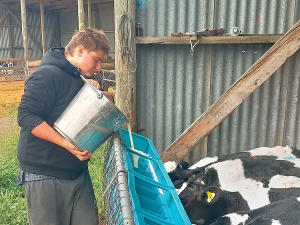
A 12-month pathway programme has helped kickstart a career in dairy for an 18-year-old student-turned-farmer.
Zespri says its global fruit sales revenue has reached a record NZ$5.9 billion from sales of 248.1 million trays.
OPINION: Farmers around the country are welcoming the proposed reform of local government.
A move to boost farmer uptake of low methane emitting sheep is underway.
Silver Fern Farms has tackled the ongoing war-induced shipping challenges to mideast markets by airlifting 90 tonnes of chilled New Zealand lamb and beef to the United Arab Emirates.