Canterbury Farmer Builds on 160 Years of Dairy Legacy
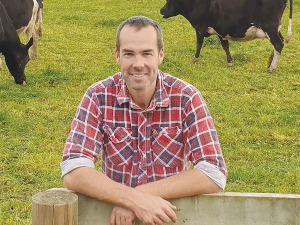
Gareth Hale is the current custodian of a 160-year legacy that saw his great grandfather dairying in Taranaki since the mid-1850s and grandfather dairying in the Waikato from the early 1900s.
 increase font size
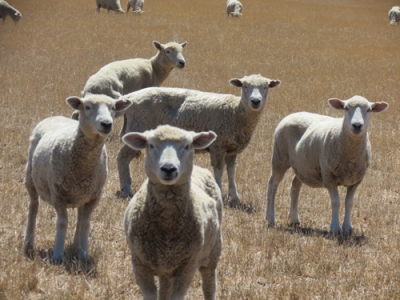 North Canterbury farmers are still feeling the impacts of drought.
Primary Industries Minister Nathan Guy has met with drought-affected farmers in Cheviot, North Canterbury and says they are still feeling the impacts of drought.
“North Canterbury – and the Cheviot area in particular – has missed most of the recent rainfall, and continues to face severe drought conditions,” says Guy.
“Because of this, an additional $20,000 is being allocated to the North Canterbury Rural Support Trust. This will help them with more intensive activities, including individual visits and community events.
“The major concern from farmers and community leaders I’ve met today is feeding livestock through the coming winter, so it’s important that farmers revise their feed budgets now.”
North Canterbury now has the highest soil moisture deficit in the country and has recorded the lowest rainfall for January to March since 1972.
The entire east coast of the South Island is classified as being in a ‘medium scale adverse event’. Recovery measures and funding will remain in place until later this year, depending on conditions over autumn and winter.
Guy says that this classification has triggered additional Government support, including funding for Rural Support Trusts – organisations that work closely with farmers and rural communities to provide support and guidance.
“With these extreme conditions, it’s important that affected communities know there is additional support still available through their Rural Support Trusts, including Rural Assistance Payments for those facing extreme hardship,” he says.
Inland Revenue can also offer flexibility with tax obligations.
Guy says the Government has a number of initiatives underway to address the need for more water storage and irrigation projects.
“The Ministry for Primary Industries is keeping a close watch on the ongoing impacts of the drought throughout the country and is in close contact with local communities.”
Gareth Hale is the current custodian of a 160-year legacy that saw his great grandfather dairying in Taranaki since the mid-1850s and grandfather dairying in the Waikato from the early 1900s.

Testing confirms H5 bird flu in a single northern giant petrel, found dead on a remote Cape Palliser beach in the Wairarapa, says Dr Mary van Andel, the Ministry for Primary Industries' (MPI) Chief Veterinary Officer.
A spat within the ranks of the New Zealand Deer Farmers Association has resulted in the suspension of outspoken North Canterbury farmer Barry Cuttance.
The apple sector is working with the Government to unlock access to two key markets that could bring millions in revenue for apple growers.
Efficiency is the big one because it tracks back into what is done on farm.



Now in its fourth year, the 2026 Fencing Industry Awards, formed part of the proceedings of the FCANZ Conference, held in Nelson during August.
DairyNZ deputy chair Cameron Henderson has been re-appointed unopposed for another term.
OPINION: The stats speak for themselves.
Farms across the upper North Island are trialling different pasture mixes as part of a research programme that aims to build greater resilience into farming systems.
Election years are always a concerning time for farmers, according to DairyNZ chair Tracy Brown.
The Ballance Farm Environment Awards are coming to the West Coast of the South Island.