OSPRI Reduces TB Testing and Lifts Movement Controls in Key Regions
Ospri is reducing TB testing frequencies and movement control measures as the disease risk subsidies in parts of the country.
 increase font size
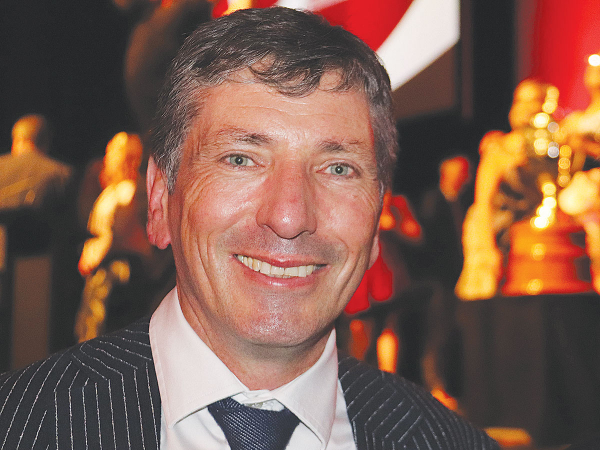 Sam McIvor says one of the challenges posed by the logistics problems is having product in market for special occasions – such as cultural festivals.
Beef+Lamb NZ chief executive Sam McIvor says the word he's getting from the meat exporters is that one of their most time consuming tasks is logistics.
He says they are using every tool in the box to deal with the issue and it is a major focus of their respective businesses.
One of the challenges, posed by the logistics problems, is having product in market for special occasions - such as cultural festivals. The Chinese New Yeas, Christmas and Easter are some of the larger ones. McIvor says getting the supply chain issues right is critical.
"But I think, to be fair, globally everyone is getting a little more tolerant of the fact that if a product doesn't turn up tomorrow, so be it," he told Rural News. "But there is also the risk that if people don't have the product when they want it, they will switch to an alternative and may not come back to the original one. So yes, there are risks about our ability to supply customers and what that might mean over time."
McIvor notes that NZ's meat industry is still in the middle of its busiest time of the year for processing stock. And with some areas hit by drought, farmers are having to talk to their processing companies as soon as they can to book space.
"But unlike last year, when about 70% of the country was in drought, it's not that bad this year - which does provide some options," he says.
"For example, farmers on the west coast of the North Island are saying they have had their best season ever. So, I think there are probably options other than slaughter."
McIvor says farmers are are getting better at managing climate change by investing in better stock classes and making early decisions. He says productivity in the sheep and beef sector has increased massively resulting in the same number of lambs being produced from fewer capital stock.
"During the dry period we don't have the same pressure now on our farm systems."
McIvor believes that farmers are also taking a much more holistic approach to their farming operations. Taking on board the needs and views of customers, who are focusing on products that take into account climate and envrionmental issues.
He notes the emphasis has ramped on such things as essential fresh water and biodiversity, and farmers in turn want to do the right thing and incorporate these requirements into their business plans.
Ospri is reducing TB testing frequencies and movement control measures as the disease risk subsidies in parts of the country.

Southland farmer and director Tony Cleland has been named OSPRI New Zealand’s new chair.
Nick Beeby has been appointed as the new chief executive of the New Zealand Meat Board (NZMB).
Animal disease management agency OSPRI has announced sweeping governance changes as it seeks to recover from the expensive failure of a major software project.
Herds in the West Coast settlement of Hari Hari are TB free after a four-year battle to get on top of the area's last outbreak.


Farmgate lamb prices are down by 8%, beef cattle by 4.5% and farm expenditure up by 4.2%.
Kiwifruit growers are watchful but remain optimistic as concerns around the potential effects of the El Niño weather pattern this season.
Almond hulls sourced from Australian orchards may have the potential to help New Zealand cows reduce emissions, boost milk yield and lower input costs.
Striking a balance between meeting the needs of industry to speed up approval time for products but on the other hand ensuring that risks are properly assessed.
Surprised, humbled and quite thrilled. That’s the reaction of James Allen, one of the founding partners and now chief executive of AgFirst, on being made a life member of the Institute of Rural Professionals.