Lanaco and Blueair Launch World-First NZ Wool Air Filter
New Zealand wool is reaching new heights as air filtration companies move away from synthetic products to biodegradable alternatives.
 increase font size
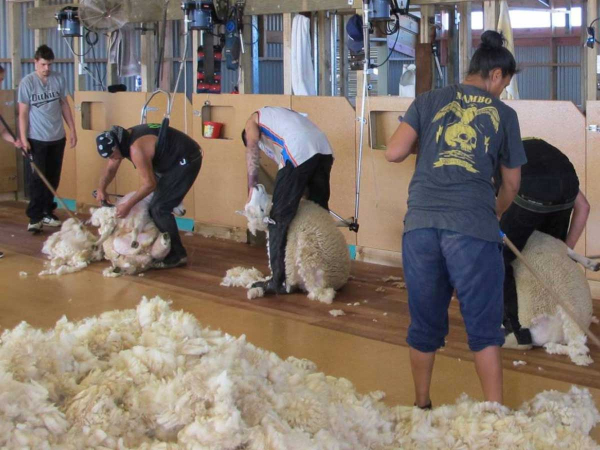 Federated Farmers says there could soon be an animal welfare issue as sheep farmers ask the government to allow overseas shearers into New Zealand.
Sheep farmers and shearing contractors are urging Government to immediately allow experienced shearers into the country.
Federated Farmers says an animal welfare issue is looming.
The New Zealand Shearing Contractors Association had initially applied for 200 shearers to fill gaps in the local workforce, but that has been scaled back to 60. Even this reduced number will shear 90,000 to 100,000 sheep a week, but still is a long way short of the work required.
Federated Farmers immigration spokesperson Chris Lewis says it has been reminding the government since late winter about “the increasing urgency around the need for shearers this summer”.
Federated Farmers Meat and Wool Chair and Wairarapa farmer William Beetham says animal welfare is becoming an issue.
"Shearing largely plays an animal welfare role for the common strong wool breeds. A capable shearing workforce is needed to avoid issues such as fly strike and animals suffering in the summer heat.
"It is important to all New Zealanders the government considers animal welfare, as well as human welfare, in its border control decision-making. Farmers need this shearing capacity to ensure the welfare of their animals," William says.
Without experienced international shearers New Zealand does not have the workforce here to cover the peak summer shearing period. Shearing delays will not mean farmers just have to wait their turn, it means that animals may suffer, an outcome no one in New Zealand wants to see, says Beetham.
The required international staff have all been identified and are ready to go, they just need the green light from government.
However, even if they are approved for entry, there are now issues with capacity in quarantine.
New Zealand wool is reaching new heights as air filtration companies move away from synthetic products to biodegradable alternatives.
Will a stronger, more coordinated voice help rebuild confidence and improve returns in the wool sector?
OPINION: Confidence in the wool sector is rebounding as prices hit levels not seen in more than 15 years.
The recently signed free trade agreement with India is an invitation to strengthen relationships between the New Zealand and Indian strong wool industries, says Wool Impact chief executive Andy Caughey.
Strong competition and tightening supply have seen wool reach its highest prices paid at auction since 2011.


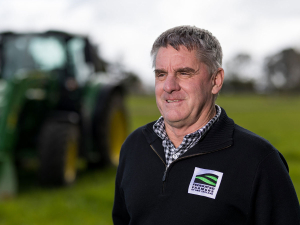
National’s pledge to introduce 19 new national standards shows the party is serious about getting Wellington out of farming, Federated Farmers says.
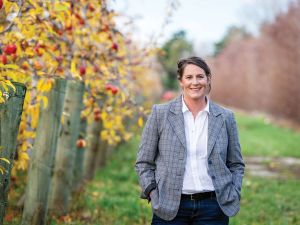
The National Party’s policies to make it easier to grow fresh vegetables, secure reliable water and energy and simplify farm planning are practical changes that will give growers the confidence to invest, according to Horticulture New Zealand (HortNZ).
Fonterra Co-operative Group chief financial officer Andrew Murray has resigned to take up a role outside the dairy giant.
A major move is about to get underway to improve the quality and viability of dairy beef and cattle in NZ.
Veterinarians say changes to the code of welfare for dairy cattle provides a positive foundation for improved cattle welfare across the country.
Today, 15 October, is the International Day of Rural Women, which recognises rural women’s contribution to farming, communities and the environment.