
NZ Food Safety Boss on Balancing Speed and Risk in Approvals
Striking a balance between meeting the needs of industry to speed up approval time for products but on the other hand ensuring that risks are properly assessed.




 increase font size

New Zealand Food Safety (NZFS) is reminding New Zealanders to keep food safety top of mind as they head into the festive season.
"No one wants to spend their holiday sick or knowing that they have made others ill from food," says NZFS deputy-director general Vincent Arbuckle.
“Fortunately, keeping safe is easy. Nail the basics, and you will be set up to enjoy your events confident that your food is safe for everyone.”
Arbuckle says that cases of food poisoning typically rise in the summer months as people enjoy eating outdoors, travelling and barbecuing.
“We all know washing hands before handling food is our first line of defence. Here are some other practical tips for the summer – whether we’re at home or at the campground,” says Arbuckle.
1. Don't wash your raw chicken
Washing raw chicken does not make the chicken any safer but it does spread harmful bacteria around the kitchen increasing the risk of contamination. Instead, we recommend patting chicken dry with a paper towel and putting the paper towel straight in the rubbish bin.
To prevent cross-contamination always wash your hands after handling raw chicken and keep your raw chicken separate from ready-to-eat and fresh foods, using separate chopping boards, plates, and utensils to prepare raw chicken.
Always thoroughly wash preparation surfaces, dishes, and utensils with hot soapy water, then rinse and dry them before using them for other foods.
Use a different plate for raw and cooked chicken.
Don’t let raw chicken or its juices touch ready-to-eat foods, and make sure you cook your chicken thoroughly until juices run clear.
2. Master safe barbecuing
Use separate utensils, chopping boards and plates for raw and cooked meat, and barbecue meat until it is more than 75°C all the way through and thoroughly cooked.
If you don’t have a thermometer, turn chicken, pork, and sausages often so they cook evenly, and juices run clear.
Mince should be thoroughly cooked right through (until firm and browned) to kill harmful bacteria that could be introduced through processing and/or preparation.
Make sure your barbecue and cooking tools have been cleaned with soap and water before using. Marinate meat in a covered container in the fridge and cook the marinade before pouring over cooked meat.
Keep raw meat and cooked food or ready-to-eat foods (like salads) separate.
3. Chill food outside and on the go
Store foods like salads, meats, and cheeses in a chilly bin with ice packs until needed. Cover and chill your food until you cook it – and chill any leftovers as soon as possible too.
Leftovers make for great picnic and camping fare. Just make sure you get them chilled within two hours and eat them preferably within two days – when in doubt, chuck them out.
If you have long travel times after food shopping or won’t be going home straight away, have a chilly bag or bin with ice packs in your car to transport chilled or frozen foods, and transfer them to the fridge or freezer as soon as you get home.
4. Level up your leftovers game
Refrigerate or freeze leftovers as soon as possible or within two hours of cooking. The hotter the weather, the shorter the time food will stay safe.
Store leftovers in a covered container in your fridge.
Cooked food eaten cold: Leftovers of cooked meals that are normally eaten without reheating – like pasta salads, roast vege salads, or potato salads – should be refrigerated and eaten within two days.
Leftovers eaten hot: Keep them refrigerated and eat them within four days. Reheat until piping hot before eating.
Leftover green salads: Eat salads containing raw leafy greens as soon as you can after preparation. Use any leftover salad as ingredients in cooked dishes – like soups and stews – or throw them out. Leafy greens can carry illness-causing bacteria that survive or grow in the fridge.
Leftover whole ham: Store in a ham bag in the fridge for up to seven days if you plan to eat it cold. If you reheat it to piping hot (more than 75°C) before eating, it can be kept for a further two days. Another way to extend your ham is to freeze slices for later use.
Rice-based leftovers: Keep rice-based leftovers refrigerated and eat them within two days. These types of leftovers are risky because uncooked rice can contain bacterial spores that survive cooking. The spores then form bacteria, which produce toxins that cause food poisoning – and toxins are not destroyed by reheating.
Reheat leftovers until piping hot (over 75°C). Warm doesn’t kill bacteria. Hot does.
Defrost frozen leftovers in the fridge or microwave. Leaving meals on a bench top to defrost allows harmful bacteria to grow.
Don't reheat your leftovers more than once.
Striking a balance between meeting the needs of industry to speed up approval time for products but on the other hand ensuring that risks are properly assessed.

A partnership between state-owned enterprise Pāmu (Landcorp Farming Limited) and charity Meet the Need is putting more than quality New Zealand beef into food bank parcels this year.
Testing confirms H5 bird flu in a single northern giant petrel, found dead on a remote Cape Palliser beach in the Wairarapa, says Dr Mary van Andel, the Ministry for Primary Industries' (MPI) Chief Veterinary Officer.
OPINION: It's a tough pill to swallow that bird flu (avian influenza) has finally arrived in New Zealand. This is a moment many of us have hoped would never come.
Dr Tim Harwood, a seafood food safety research leader, has been awarded the 2026 Significant Contribution Award at the New Zealand Institute of Food Science and Technology (NZIFST) Food Industry Awards.



National’s pledge to introduce 19 new national standards shows the party is serious about getting Wellington out of farming, Federated Farmers says.
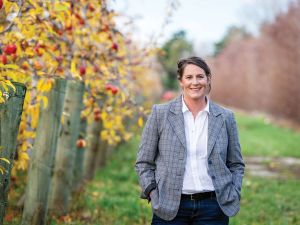
The National Party’s policies to make it easier to grow fresh vegetables, secure reliable water and energy and simplify farm planning are practical changes that will give growers the confidence to invest, according to Horticulture New Zealand (HortNZ).
Fonterra Co-operative Group chief financial officer Andrew Murray has resigned to take up a role outside the dairy giant.
A major move is about to get underway to improve the quality and viability of dairy beef and cattle in NZ.
Veterinarians say changes to the code of welfare for dairy cattle provides a positive foundation for improved cattle welfare across the country.
Today, 15 October, is the International Day of Rural Women, which recognises rural women’s contribution to farming, communities and the environment.





OPINION: The same mainstream media muppets that brought you Jacindamania in 2017 have been flat out pimping for the Opportunities…
OPINION: Your old mate reckons the atrocious way farmers in the UK are treated by their lords and masters in…




