NZ Apple Growers Ready to Share Expertise in India
New Zealand's role is not to compete with Indian growers, according to NZ Apples and Pears.
 increase font size
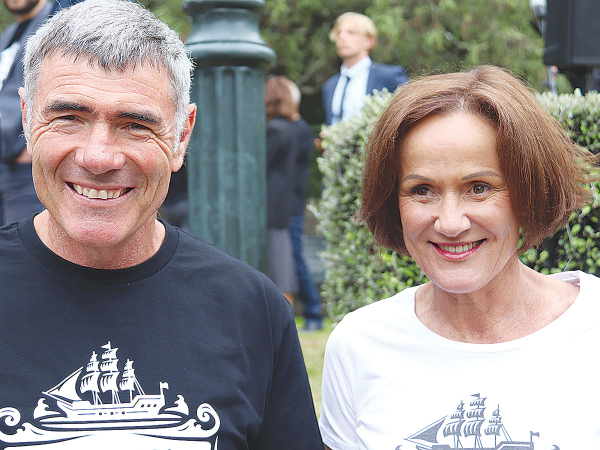 Former Agriculture Minister Nathan Guy and Rangitikei MP, Suze Redmayne at the National Lamb Day at Parliament this month.
Don't be surprised if there is a bit more spending at the Central Districts Field Days this year.
That's the view of Nathan Guy - Horowhenua farmer, former minister of agriculture and now chair of the Meat Industry Association - who says red meat farmers might be feeling a bit more optimistic given the progressive lift in prices. He says dairy farmers should also be happy with the payout at $10/kgMS.
"I guess given that, those selling something might be hoping for a bit of a bounce," he says.
Guy has been a regular attendee of the event over many years and describes it as well organised and a well-oiled machine. He says it is like a "mini-National Fieldays".
He says the location at Feilding is very accessible for people in the lowwer North Island and the setup of exhibits makes it easy for attendees to see what they want.
"For me as a local, I have taken the kids along for a day out, but I have also been there as minister," he says.
Meanwhile, Suze Redmayne, the MP for Rangitikei, in whose electorate the CD Field Days is held, says she's been going to the event for more than 25 years. But getting there for the whole three days this year has presented her with a challenge.
"The problem for me is that this year the field days are being held in a sitting week in parliament, but Thursday is farmers' day, so I have got my leave application in early. I have been invited to speak on the Ravensdown panel, so hopefully that will get me there for the whole three days," she says.
Redmayne says CD Field Days is an outstanding event, great for the region and the whole farming community. She says the attraction for her is the mixture of days, with Thursday being a day when farmers tend to come along from as far away as Hawke's Bay, Taranaki, Wellington and Whanganui.
"It's their opportunity to meet other farmers; talk and to other agencies such as banks, insurance and fertiliser companies. Whereas Fridays seem to be focused on school kids, which is good because we need to encourage young people to get into the farming industry. After all, that's what pays the bills in this country," she says.
Redmayne says Saturday tends to be fore families who come from far and wide to enjoy the day, see tractors and other machinery and get a great perspective of agriculture.
"Do you know a boy who doesn't want to see a tractor or a digger?"
New Zealand's role is not to compete with Indian growers, according to NZ Apples and Pears.
New Zealand's red meat and fifth-quarter exports reached $867 million in August, up 23% on the same month last year, as stronger returns lifted earnings across all major markets.
Meat Industry Association data, released alongside the Red Meat Sector conference in Wellington, shows export value climbing across the US, China, UK and Canada.
OPINION: Being a stock manager of a Government MP's farm can come in handy.


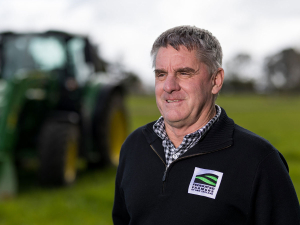
National’s pledge to introduce 19 new national standards shows the party is serious about getting Wellington out of farming, Federated Farmers says.
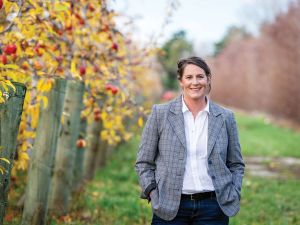
The National Party’s policies to make it easier to grow fresh vegetables, secure reliable water and energy and simplify farm planning are practical changes that will give growers the confidence to invest, according to Horticulture New Zealand (HortNZ).
Fonterra Co-operative Group chief financial officer Andrew Murray has resigned to take up a role outside the dairy giant.
A major move is about to get underway to improve the quality and viability of dairy beef and cattle in NZ.
Veterinarians say changes to the code of welfare for dairy cattle provides a positive foundation for improved cattle welfare across the country.
Today, 15 October, is the International Day of Rural Women, which recognises rural women’s contribution to farming, communities and the environment.