An attractive option for trainees
The perception of dairy as a career path is changing, according to a mid-Canterbury training provider.
 increase font size
 The dairy industry needs to develop leadership and management skills.
A HIGHLY experienced Filipino dairy farm manager says many New Zealand farmers and managers don’t have the people, management and leadership skills to be good employers.
Bob Bolanos has worked in the dairy industry for 29 years managing staff – including eight years as a farm manager in New Zealand. He told Rural News that, while he doesn’t wish to be critical about the dairy industry, from what he has seen some farmers seem to think if they can pay a worker a salary, they can manage them.
But Bolanos says this isn’t so and that farmers’ lack of human resource skills is one of the reasons for high staff turnover on dairy farms.
“They often blame the workers or complain that there is not enough ‘qualified’ staff in the industry. But they do not see themselves as part of the problem. It’s easy if you have a small operation with a couple of casual staff working under you. But when your business grows and you need to hire full time, permanent staff the need for knowledge in organising labour and managing staff becomes a necessity.”
Bolanos says farmers have farm consultants, accountants, financial advisers, soil and irrigation consultants, vets and even seed reps to go to for advice. But he’s never heard of a farmer hiring a human resources consultant to study their work routines, rosters and management systems.
“Replacing workers is costing the industry, according to DairyNZ, about $125 million each year. Add to that, a shortage in manpower has forced farmers to look overseas to fill the labour gap; not enough Kiwis seem to want to work in dairy.
“Migrant workers now play a significant role in farming operations all over the country. This presents a new problem – cultural misunderstanding. Often an employer assumes he can manage migrant staff the same way he manages his Kiwi workers.”
Bolanos says there is lack of material available to explain to New Zealand farmers how to deal with migrant farm workers and to ensure there are no cultural misunderstandings.
He believes there is also a need for farmers to ensure that young New Zealanders coming into the dairy industry have a positive experience and are not put off the industry by bad employment practices.
Bolanos has seen many instances over the years where a young person comes onto a farm full of enthusiasm but is quickly put off the industry by the way they are treated. Some problems relate back to formal training courses which don’t give young people sufficient practical skills to work on farms and there needs to be better communication between training institutions and farmers.
The other problem Bolanos sees is the lack of good on-the-job training – especially explaining to new workers how a task they are asked to perform fits into the whole farming system.
“For example, a young worker is asked to put up a fence halfway down a paddock. That task may seem meaningless unless they are told that the idea is ensure cows get a set amount of feed each day to produce milk. The issue is about feeding cows rather than putting up a fence,” he explains.
Bolanos says while he knows the dairy industry involves hard physical work and long hours, he’s not sure some young people really understand the nature and commitment that’s required to work in the industry.
The perception of dairy as a career path is changing, according to a mid-Canterbury training provider.
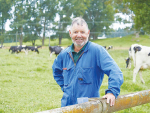
Waikato dairy farmer George Moss says New Zealand’s dairy industry must keep innovating or risk losing the mantle of being the world’s most emissions efficient.
The Government will not stifle the growth of the dairy industry to limit its impact on the environment, says Deputy Prime Minister Bill English.
Landcorp chief executive Steven Carden says while the company has taken a hit in its profit this year due to the downturn in the dairy industry, it has done a lot to control costs and increase production.
Banks are providing much needed support to New Zealand’s dairy industry during this period of desperately low prices, say Federated Farmers.



Healthy snacking company Rockit has announced Wang Yibo, one of China's most influential celebrities, as its new brand ambassador.
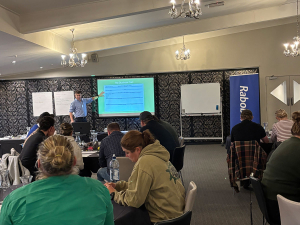
Rabobank has celebrated the tenth anniversary of its AgPathways Programme, with 23 farmers from Otago and Southland gathering for two-and-a-half days to learn new business management and planning skills.
Adopting strategies to reduce worm burden on farm goes hand-in--hand with best practice farm management practices to optimise stock production and performance, veterinarian Andrew Roe says.
Last night saw the winners of the 2026 Beef + Lamb New Zealand (B+LNZ) Awards named at a gala dinner at Te Pae Christchurch Convention Centre.
A 12-month pathway programme has helped kickstart a career in dairy for an 18-year-old student-turned-farmer.
Zespri says its global fruit sales revenue has reached a record NZ$5.9 billion from sales of 248.1 million trays.