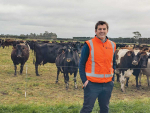
New Dairy Holdings CEO Backs Self-Contained Model
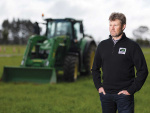
Running a tight and self-contained ship is the key to the success of the country's largest dairy farmer, says Blair Robinson, the new man at the helm of Dairy Holdings.
 increase font size
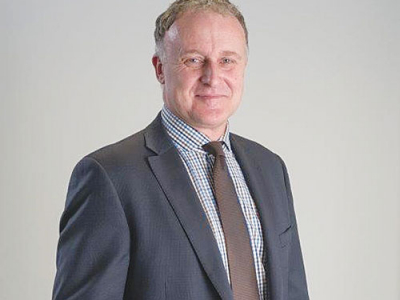 MPI’s director of response Geoff Gwyn.
Tax implications for farmers receiving big Mycoplasma bovis compensation payments is one of the issues farmers are raising in meetings now underway NZ-wide.
The MPI-organised meetings include public and closed-door, day-long sessions with affected farmers, described by one MPI staffer as “robust”.
Speaking to Rural News after the farmers’ session in Ashburton, MPI’s director of response Geoff Gwyn acknowledged some anger from the affected farmers but said it was a “mixed bag”.
“Some farmers are standing up and saying this has been the worst experience of their life and they have real examples of it not having worked well for them,” he conceded.
“Then there’ve been other farmers who say ‘actually this was difficult at the time, but it went quite smoothly for me’.”
Gwyn says one issue not previously considered in any detail was the tax implications for farmers getting compensation. He says MPI’s advice had always been to talk to Inland Revenue. “Farmers are more interested in some sort of formal position by Inland Revenue so I’ll be talking to my IRD colleagues about what we can do in that space.”
Gwyn says their aim in the meetings is to listen to farmers to understand how the experience is affecting them and make the process as easy as possible.
“We receive feedback from the farmers on how this process can be better and we make changes to reflect that. [It may be] how we better support them in welfare and recovery, or how we give them more certainty on testing timeframes, which is difficult,” he told Rural News.
Gwyn told the meeting that everyone involved in the decision to go for eradication knew it was “a bit of a punt”, but it was the only chance the country had.
Running a tight and self-contained ship is the key to the success of the country's largest dairy farmer, says Blair Robinson, the new man at the helm of Dairy Holdings.
OPINION: It's no surprise that "world-class biosecurity" continues to dominate as the top priority for agribusiness leaders, holding the number one spot for the 16th consecutive year in KPMG's latest agribusiness report.
OPINION: This is my last article as Chief Executive, so I thought I’d take the opportunity to talk about three recurring issues which I have seen over the years, and which are almost certain to be issues in the future.
Compensation assistance for farmers impacted by Mycoplama bovis is being wound up.
Selecting the reverse gear quicker than a lovestruck boyfriend who has met the in-laws for the first time, the Coalition Government has confirmed that the proposal to amend Fringe Benefit Tax (FBT) charged against farm utes has been canned.


National’s pledge to introduce 19 new national standards shows the party is serious about getting Wellington out of farming, Federated Farmers says.
The National Party’s policies to make it easier to grow fresh vegetables, secure reliable water and energy and simplify farm planning are practical changes that will give growers the confidence to invest, according to Horticulture New Zealand (HortNZ).
Fonterra Co-operative Group chief financial officer Andrew Murray has resigned to take up a role outside the dairy giant.
A major move is about to get underway to improve the quality and viability of dairy beef and cattle in NZ.
Veterinarians say changes to the code of welfare for dairy cattle provides a positive foundation for improved cattle welfare across the country.
Today, 15 October, is the International Day of Rural Women, which recognises rural women’s contribution to farming, communities and the environment.