Federated Farmers Backs Year 11 Agricultural Science
Federated Farmers is backing Feilding High School’s call to keep Agriculture and Horticultural Science as a standalone subject in Year 11.
 increase font size
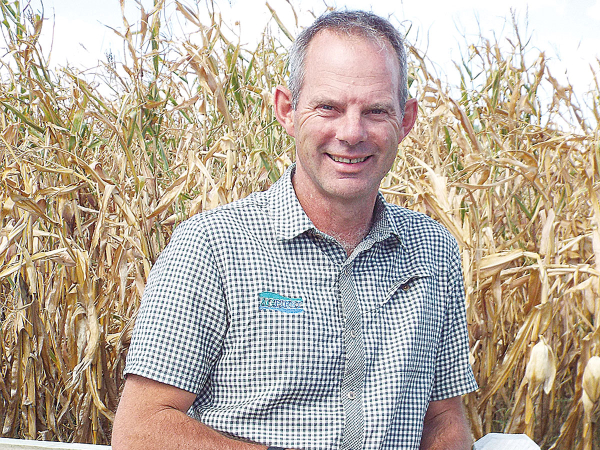 AgFirst chief executive James Allen.
The future will see a continuation of the trend to fewer and larger farms, most of which will be ‘family corporates’, says AgFirst chief executive James Allen.
He says larger farms place more emphasis on reporting and information requirements than smaller ones.
Allen says he’s been talking to universities around the country about the implications stemming from his report and he says “they get it” and are starting to think about how they can best meet the needs of industry in the future.
He says while there may need to be changes to degree courses, it is essential for farm consultants of the future to have to have a core understanding of the basic principles of farming.
“The likes of an AgScience or BAgCom that gives an understanding of soils, pasture and livestock and how to integrate these is critical. What we need overlayed with that is a new set of skills around such things as data base management, GIS software skills and getting the best out of AI technology,” he says.
Federated Farmers is backing Feilding High School’s call to keep Agriculture and Horticultural Science as a standalone subject in Year 11.

Pāmu has welcomed Taranaki student Paige Burston as its newest First Foundation Scholar, supporting her journey towards a career in agriculture and animal science.
A spate of southerly winds bringing cold temperatures has presented challenges for Taranaki dairy farmers.
Surprised, humbled and quite thrilled. That’s the reaction of James Allen, one of the founding partners and now chief executive of AgFirst, on being made a life member of the Institute of Rural Professionals.
Kaikōura families affected by July's severe storm have found a practical solution to a problem that's kept some children away from regular schooling for weeks: a washed-out section of Inland Kaikōura Road, which has stopped the local school bus from running its usual route.


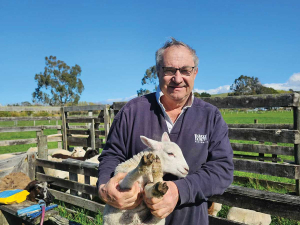
Decades piloting planes has ensured vet and farmer David Hayes is focused on safety. So, after a serious accident while welding on farm, he is sharing his experience so others can learn from it.
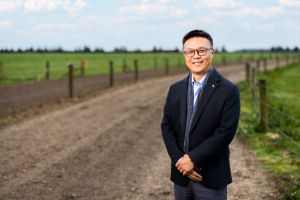
Canterbury milk processor, Synlait Milk has confirmed Leon Fung as its chief executive officer.
OPINION: Making it easier to collect rainwater and use it to grow crops and livestock is a no brainer.
As part of its Election 2026 coverage, Rural News asked political parties how they would help pull the arable sector out of the doldrums. Here's what they said:
Farmers are being encouraged to rethink how they manage waste on farm with the launch of ruralwastesorted.co.nz, a new website bringing together practical tips, real farmer experiences and resources.
New Zealand Winegrowers (NZW) is celebrating the India-New Zealand Free Trade Agreement (FTA) coming into force today, bringing New Zealand wine improved access to one of the world’s fastest-growing economies.