Major Parties to Debate Farming Policy Ahead of Election
Leading figures from the major political parties will be questioned on their primary sector policies at the Rural Issues Debate at Mystery Creek Events Centre, Hamilton, on 30 September.
 increase font size
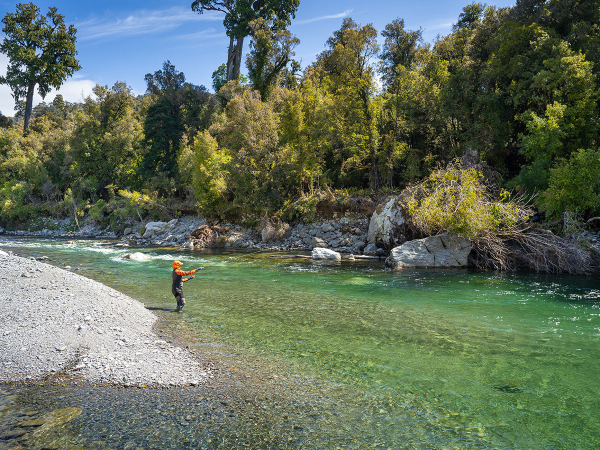 Corina Jordan river fishing.
Fish & Game New Zealand has announced its election priorities in its Manifesto 2026.
The organisation calls on all political parties to make firm commitments to protect fishing, game bird hunting and the freshwater habitats they depend on before New Zealanders head to the polls in November.
The manifesto sets out five priorities for the election year:
Corina Jordan, chief executive of Fish & Game, says the organisation's 175,000 licence holders represent a significant constituency to the size of Hamilton.
“Fishing contributes around $138 million annually to regional economies, with anglers spending on accommodation, transport, tackle and other related purchases," Jordan says.
“This is an election year, and we are asking every political party to make genuine commitments to anglers, game bird hunters and the freshwater environments they care about.
“Our licence holders are everyday New Zealanders from every walk of life and every corner of the country and their views are important and should be taken into account.”
Fish & Game is calling on all parties to commit to legislative settings for freshwater that strengthen rather than weaken protections for important fish and game bird habitats.
Among the manifesto’s specific calls is explicit recognition of valued introduced species, including trout, salmon and game birds, alongside indigenous species in legislation, as well as a requirement that Fish & Game be consulted on policy, standards and plans that affect freshwater and wetland habitats.
“We want binding commitments from parties that protections sports fish, game birds and their habitats rely on will be maintained and strengthened, regardless of who forms the next government," Jordan concludes.
Leading figures from the major political parties will be questioned on their primary sector policies at the Rural Issues Debate at Mystery Creek Events Centre, Hamilton, on 30 September.

OPINION: A founding principle of Groundswell NZ is that farmers, and people generally, should be provided with full and accurate information about regulations that directly affect them.
OPINION: Well, the silly season is upon us and all us politicians are running around shaking babies and kissing hands, or maybe the other way around.
As the election heats up, Organics Aotearoa New Zealand (OANZ) has launched its election scorecard designed to help voters wanting to support policies that grow organic and New Zealand's organic sector.
It was billed as a chance for all the political parties to woo the rural vote, but question marks hang over just how effective this was.


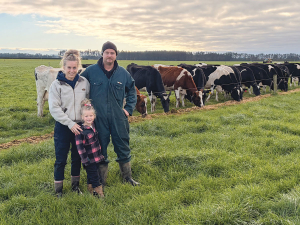
For Canterbury dairy farmers Sian Meijer and Rick Wobben, wearable technology has become one of their most valuable on-farm tools - helping manage 1850 cows across an expansive, high-performing dairy operation while improving efficiency, mating outcomes and day-to-day decision making.
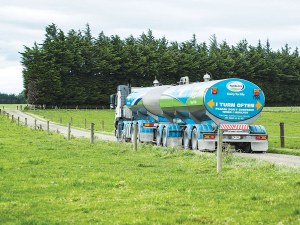
Fonterra has unveiled its annual results for the 2026 financial year, posting $27 billion in revenue and close to $20 billion returned to New Zealand farmer owners and unit holders.
The first major update to the Dairy Cattle Code of Welfare in more than a decade has been released, marking what DairyNZ describes as an important step in ensuring animal welfare standards continue to evolve alongside scientific evidence and on-farm realities.
Ravensdown shareholders have elected Jane Montgomery and Kate Acland to the Ravensdown Board for three-year terms, following a closely contested director election.
Federated Farmers says new legislation replacing the Resource Management Act will cut red tape, unlock investment and help grow New Zealand's export-led economy, after the Planning Bill and Natural Environment Bill passed their third reading in Parliament yesterday.
Leading figures from the major political parties will be questioned on their primary sector policies at the Rural Issues Debate at Mystery Creek Events Centre, Hamilton, on 30 September.