BVD Control Begins Long Before You See A Problem
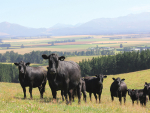
Bovine Viral Diarrhoea (BVD) is sometimes viewed as a dairy industry issue, but the reality is that the disease can have serious consequences for beef breeding herds as well.
 increase font size
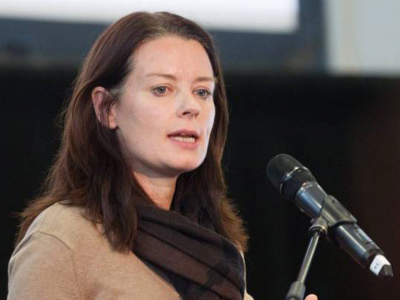 MPI biosecurity spokesperson Dr Catherine Duthie.
The Ministry of Primary Industries (MPI) says controls of movement of fruits and vegetables in Auckland’s Northcote suburb may remain in place throughout winter.
It says on the ground efforts to manage the recent fruit fly detections in the Northcote area continue.
Over the past month, operational activity has stepped up to include placing bait on fruit trees to attract and kill adult flies, in particular females, and the continuation of intensive trapping.
“The risk of finding further fruit flies is still a concern, and the focus on maintaining controls and continuing with baiting and trapping remains a priority,” says biosecurity spokesperson Dr Catherine Duthie.
“Despite the large on the ground efforts, another male fruit fly was found last week in one of the network of fruit fly traps. That tells us we can’t relax any of our efforts.”
The single male fruit fly was found just 80 metres from the last detection on May 10th. There still has been no larvae, pupae or female flies found to date.
The current restrictions on the movement of fruit and vegetables remain in place, and trapping and the collection of fallen fruit in some of the controlled area will continue until 1 July.
“We know that fruit flies are not active over the winter months, which means they wouldn’t find their way into a trap. If there are still any out there, they will lay low somewhere warm until spring, which is when we will again step up operational activities.” says Duthie.
“We are considering retaining the Controlled Area Notice, which restricts the movement of fruit and vegetables at a B Zone intensity throughout winter as a precautionary measure to prevent ‘stowaway’ fruit flies from getting out of the area.”
Biosecurity New Zealand will give residents plenty of advanced warning if some controls are to remain.
“Biosecurity New Zealand is very grateful for the support the wider Northcote community affected by the fruit fly detections continue to give us.”
“We know it’s a huge inconvenience but it’s vital that we do this. We don’t want this pest to establish here,” says Duthie.
Detailed maps of the controlled areas and a full description of the boundaries, and full information about the rules are at: www.biosecurity.govt.nz/fruitfly
Bovine Viral Diarrhoea (BVD) is sometimes viewed as a dairy industry issue, but the reality is that the disease can have serious consequences for beef breeding herds as well.

Election years are always a concerning time for farmers, according to DairyNZ chair Tracy Brown.
Testing confirms H5 bird flu in a single northern giant petrel, found dead on a remote Cape Palliser beach in the Wairarapa, says Dr Mary van Andel, the Ministry for Primary Industries' (MPI) Chief Veterinary Officer.
Bovine Viral Diarrhoea (BVD) is sometimes viewed as a dairy industry issue, but the reality is that the disease can have serious consequences for beef breeding herds as well.
Four years since it was first detected in New Zealand, researchers and growers now know much more about management of maize pest fall armyworm (FAW).


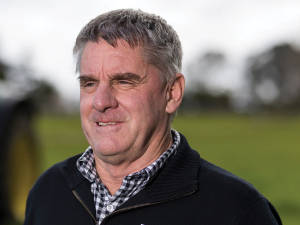
Federated Farmers has welcomed new rural policies released by ACT, saying they align closely with its own election priorities.

Rural Contractors NZ says proposed changes to land transport rules for agricultural vehicles are a welcome response by the Government to out of date regulations which have seen members hit with huge fines.
Alliance is calling for final applications for its 2027 Graduate Programme, with applications closing on Sunday 25 October.
Decades piloting planes has ensured vet and farmer David Hayes is focused on safety. So, after a serious accident while welding on farm, he is sharing his experience so others can learn from it.
Canterbury milk processor, Synlait Milk has confirmed Leon Fung as its chief executive officer.
OPINION: Making it easier to collect rainwater and use it to grow crops and livestock is a no brainer.