Tunley's parting message - work together
Work together and used the diversity of the horticulture sector to your advantage.
 increase font size
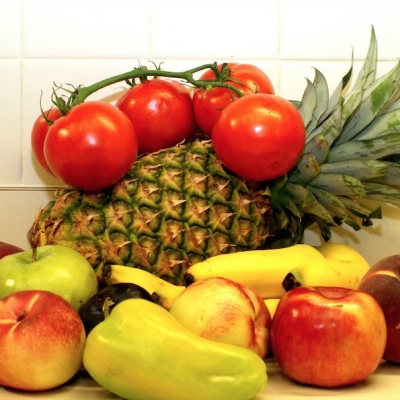
As parents gear up for a new year of school lunches, research has found children who regularly eat fresh fruit and vegetables at school are better behaved, more alert, and healthier.
The findings come from an independent evaluation of Fruit In Schools, which recently surveyed principals about the programme's impact on nutrition and healthy eating.
The survey found 46% of principals saw fewer behaviour problems in the classroom, while 74% said concentration in class had increased because of the programme.
Principals say the fruit provided "brain food" that helped children to concentrate and stay on task, with 72% of principals agreeing or strongly agreeing that if the programme stopped, academic outcomes would suffer.
Fruit In Schools, which started 10 years ago, provides around 20 million servings of fresh fruit and vegetables to 480 low-decile primary and intermediate schools every day during the academic year.
The Ministry of Health funds the programme and it is managed by United Fresh New Zealand Incorporated and the 5+ A Day Charitable Trust, who commissioned the research.
In the survey, 66% of principals reported an improvement in students' general health, with 35% saying students had fewer sick days.
According to the study, the healthy eating messages are extending beyond the school gate too, with 44% of principals reporting that "many families" were providing fewer sugary drinks and less junk food in school lunches.
All the principals agreed Fruit In Schools contributed to students' positive attitudes, awareness, and knowledge of healthy eating. One principal said the programme had triggered wider dietary changes and the school was now a water-only school for drinks.
Obesity in childhood is associated with a wide range of serious health complications and an increased risk of early onset for illnesses such as diabetes and heart disease. The New Zealand Medical Association recommends nutrition to be included as part of the mandatory curriculum in schools.
5+ A Day nutritionist, Bronwen Anderson says fruit and vegetables are the cornerstone of a healthy diet.
"It also provides learning opportunities such as learning how to cook and prepare food, recognising and naming different fruit and vegetables and planting gardens."
"Poor diet in childhood is associated with obesity and increases the risk of a range of life-threatening illnesses in later life," she says.
"By introducing fruit and vegetables to children, we can encourage them to follow healthy, active lifestyles that will benefit them for the rest of their lives."
To pack more fresh fruit and vegetables into kids' lunchboxes parents can try the annual 5+ A Day Challenge, which encourages Kiwis to add extra servings of fresh fruit and vegetables to their day for the month of February.
To find out more about 5+ A Day, visit www.5aday.co.nz. Take the 5+ A Day Challenge on Facebook: www.facebook.com/5adayNZ and enter via the app to be in to win a $5,000 Bosch kitchen appliance package.
Tips on how to get more fruit and vegetables into kids' lunchboxes
Work together and used the diversity of the horticulture sector to your advantage.

The fight for global customers by fruit producers and marketers is on.
Fruit exporters helped boost wholesale trade sales in the June 2016 quarter, Statistics NZ says.
Seasonal produce rich in antioxidants and immune-boosting vitamin C can keep you fighting fit, and able to ward off winter infections, says 5+ A Day.
CELEBRITY MICHELIN star chef Josh Emett fans is returning this year to Kiwi's Best Kitchen Theatre at Fieldays after packing the grandstand last year.



Healthy snacking company Rockit has announced Wang Yibo, one of China's most influential celebrities, as its new brand ambassador.

Rabobank has celebrated the tenth anniversary of its AgPathways Programme, with 23 farmers from Otago and Southland gathering for two-and-a-half days to learn new business management and planning skills.
Adopting strategies to reduce worm burden on farm goes hand-in--hand with best practice farm management practices to optimise stock production and performance, veterinarian Andrew Roe says.
Last night saw the winners of the 2026 Beef + Lamb New Zealand (B+LNZ) Awards named at a gala dinner at Te Pae Christchurch Convention Centre.
A 12-month pathway programme has helped kickstart a career in dairy for an 18-year-old student-turned-farmer.
Zespri says its global fruit sales revenue has reached a record NZ$5.9 billion from sales of 248.1 million trays.