PC1 Pause Looms as Coalition Targets Waikato Farm Rules
A pause on Waikato Regional Council's (WRC) plan change that sets new freshwater rules for farming could be announced in the coming weeks.
 increase font size
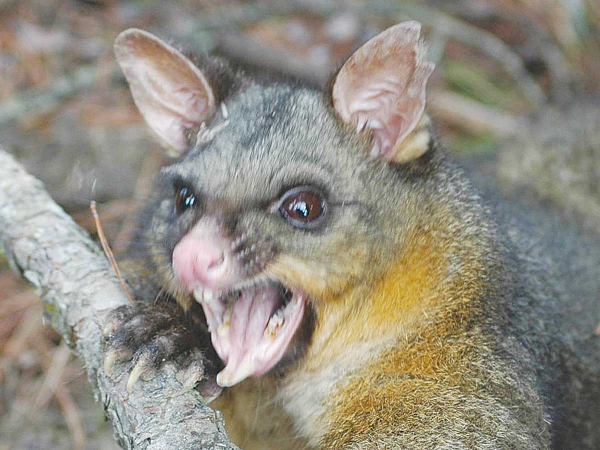 Among the successful applications was a project to expand possum and rat trapping around Pukawa settlement.
Waikato Regional Council has given 44 pest animal and plant control projects $150,000 in funding in the latest round of its Small Scale Community Initiatives Fund (SSCIF).
The fund was set up to help local and individual landowners undertake ecological enhancement through pest animal and plant control.
This year, the fund received 99 applications seeking a total of $345,484.
SSCIF is funded through the uniform annual general charge rate and $150,000 is available every year. Applications can be made for up to $5,000, with the funding round falling in June.
Successful applications ranged from $323.96 for pest animal control by an individual landowner in Thames to $4999.59 to Pukawa Wildlife Management Trust to expand its possum and rat trapping network around Pukawa settlement on the southwestern shore of Lake Taupo.
Natural Heritage biodiversity officer Andrew Thomas says preference is given to applications that seek to look after the region’s special natural areas.
“The fund helps volunteer groups and landowners with the costs of materials required to undertake pest management. Being able to support them financially to buy the tools can make a real difference in trying to keep on top of pests.
“In this funding round we are helping with the purchase of a range of traps for rats, stoats, possums and herbicide for pest plant control.”
Thomas says it’s heartening to see how much ecological enhancement is going on by individuals and groups across the region.
“We have people who are just starting to do predator or pest plant control on their properties to projects that have been operating for over 50 years.”
The regional council also recently granted $54,000 from its Environmental Initiatives Fund to six community groups working to enhance and/or benefit the environment or provide environmental education.
A pause on Waikato Regional Council's (WRC) plan change that sets new freshwater rules for farming could be announced in the coming weeks.

OPINION: Staying on Plan Change 1, NZ First deputy leader Shane Jones took to social media to gain some political points.
OPINION: All eyes are on the Government as Waikato farmers seek urgent help to fend off the controversial Plan Change 1 (PC1), designed to manage nutrient discharges into waterways in the region.
Waikato farmers have been told that the Government’s new planning system legislation and the region’s Plan Change 1 (PC1) “won’t mesh together very well”.
The Government is looking at intervening on behalf of Waikato farmers who face new regulations around agricultural land use while Resource Management Act (RMA) reforms are underway.

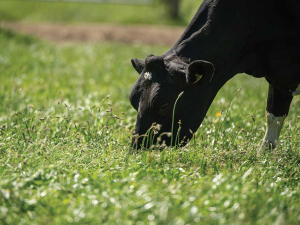
Farms across the upper North Island are trialling different pasture mixes as part of a research programme that aims to build greater resilience into farming systems.
Election years are always a concerning time for farmers, according to DairyNZ chair Tracy Brown.
The Ballance Farm Environment Awards are coming to the West Coast of the South Island.
Most dairy regions around the country have had a pretty good season so far says Tracy Brown.
Rural leader Mark Hooper has been appointed as an independent director to the NZPork board, bringing extensive farming, governance and advocacy experience to the role.