MPI defends cost of new biosecurity lab
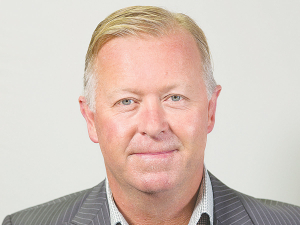
The head of the Ministry for Primary Industries (MPI) biosecurity operation, Stuart Anderson, has defended the cost and the need for a Plant Healht and Environment Laboratory (PHEL) being built in Auckland.
The Ministry for Primary Industries (MPI) is on the hunt for research proposals to help improve New Zealand’s reporting of greenhouse gas emissions from agriculture, forestry, and other land uses.
The annual funding round for the Greenhouse Gas Inventory Research (GHGIR) fund is now open, with $8.9 million available over the next three years for new GHGIR projected.
The annual Greenhouse Gas Inventory reports on human-induced emissions and removals of greenhouse gases for energy, industrial processes, agriculture, land use, land-use change and forestry, and waste.
Steve Penno, MPI’s director investment programmes, says the GHGIR is focused on improving MPI’s knowledge of New Zealand’s greenhouse gas emissions, to ensure the best possible data is available to manage emissions and inform policy decisions.
“This year we’re looking for very specific proposals in 10 priority areas, ranging from modelling variations in dairy cattle body weight to wetland mapping,” Penno says.
“The outcomes will inform MPI’s reporting to the New Zealand Greenhouse Gas Inventory and the United Nations under the Paris Climate Agreement.”
Applications close on 19 July 2023, with successful proposals expected to be announced in October.
Third-generation Ashburton dairy farmers TJ and Mark Stewart are no strangers to adapting and evolving.
When American retail giant Cosco came to audit Open Country Dairy’s new butter plant at the Waharoa site and give the green light to supply their American stores, they allowed themselves a week for the exercise.
Fonterra chair Peter McBride says the divestment of Mainland Group is their last significant asset sale and signals the end of structural changes.
Thirty years ago, as a young sharemilker, former Waikato farmer Snow Chubb realised he was bucking a trend when he started planting trees to provide shade for his cows, but he knew the animals would appreciate what he was doing.
Virtual fencing and herding systems supplier, Halter is welcoming a decision by the Victorian Government to allow farmers in the state to use the technology.
DairyNZ’s latest Econ Tracker update shows most farms will still finish the season in a positive position, although the gap has narrowed compared with early season expectations.