Beef + Lamb New Zealand Awards 2026 Winners Announced in Christchurch
Last night saw the winners of the 2026 Beef + Lamb New Zealand (B+LNZ) Awards named at a gala dinner at Te Pae Christchurch Convention Centre.
 increase font size
 Farmers want more information on the bill
Primary sector groups appear to be generally supportive of the Gene Technology Bill currently before parliamentarians.
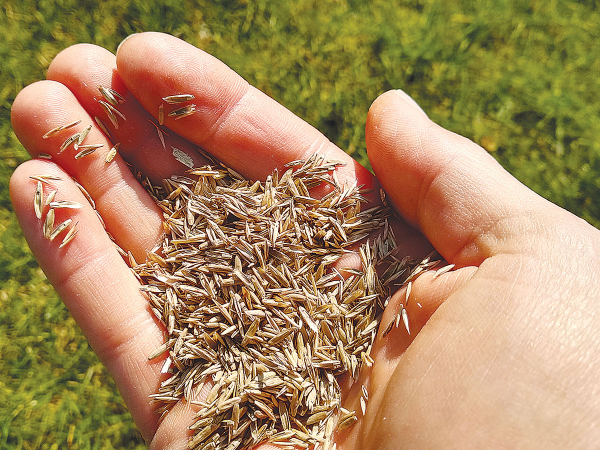
The bill will end New Zealand's near 30-year ban on gene technology outside the lab and is a major milestone in modernising our laws to unlock the potential of science. Gene technology is seen as being able to deliver enormous benefits including access to better cancer treatments, and increased productivity for farmers through such things as disease-resistant grasses and tools to help meet emissions targets.
The legislation is now before the Health Select Committee which called for submissions on the bill. Submissions closed on February 17 and these will be considered by the select committee in the coming months.
In its submission, AgResearch says it supports the bull but is proposing some changes to tighten and clarify the wording in it.
It says it provides the opportunity to align NZ's activities and regulations with those of our major trading partners such as the US, Australia, China, and potentially the EU. It says as a user of gene technology in research, its work has been impacted by the current regulatory regime through the HSNO Act, and it believes the new legislation will enhance research with potential for improved human health, export revenue, reduced environmental impact, and so on.
The five-page submission by AgResearch makes several recommendations for the Health Committee to consider. These include asking that, prior to the expected date of its final reading, government should resource work to achieve alignment across the various production, processing, and exporting systems within agriculture, horticulture, forestry, and so on.
It also wants clarification of the terms used in the bill, warning that unless they are concise, it could pose problems in the future. Another key issue for AgResearch relates to approvals for conducting field tests.
Differing Views
Beef+Lamb NZ says while it is supportive of a review of NZ's gene technology legislation, it believes it's important to take the time to address a number of critical issues.
B+LNZ chair Kate Acland says there have been significant scientific developments internationally in the last couple of decades and a review of our regulatory settings is appropriate.
Acland says, in the face of future production challenges, farmers will need ongoing scientific development and access to the same science and tools as their international counterparts, and that may include new genetic technologies.
“There are potential opportunities to improve our farmers’ productivity and environmental impacts. However, there are also a number of potential risks that still need to be addressed in the proposed legislation. These include potential market or trade implications, traceability and co-existence, and how risks are classified,” she says.
Acland adds that B+LNZ’s select committee submission was informed by a survey of its farmers last year, but believes that further farmer engagement is needed.
She says the survey showed there’s a wide range of farmer views on this topic with many seeing potential benefits, a number very concerned, and the majority of farmers feel they need more information.
“We need to ensure we take our time on this important issue and bring our farmers along with us,” she says.
Last night saw the winners of the 2026 Beef + Lamb New Zealand (B+LNZ) Awards named at a gala dinner at Te Pae Christchurch Convention Centre.

OPINION: With export of livestock by sea dead in the water, opponents of the Gene Technology Bill think they can also force another U-turn from the Government.
OPINION: The Gene Technology Bill has divided the farming community with strong arguments on both the pros and cons of GM.
A significant breakthrough in understanding facial eczema (FE) in livestock brings New Zealand closer to reducing the disease’s devastating impact on farmers, animals, and rural communities.
A breakthrough in the understanding of Facial Eczema (FE) in livestock could bring New Zealand closer to reducing the disease’s impact.


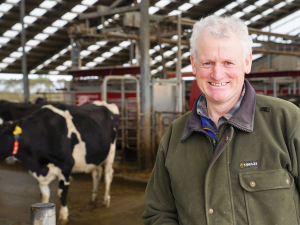
In Dacre, near Invercargill in New Zealand’s South Island, Bruce Dinnington is running a dairy operation unlike any other.

A free online platform aggregating governance vacancies across rural and regional New Zealand has been launched.
Environment Minister Nicola Grigg has announced details of a new rural plastics recycling scheme.
Agricultural drone operators say that a government decision to allow lower-risk drone work without certification won’t lower standards but drive innovation and efficiency.
OPINION: Warning bells are ringing in the arable sector.
Farmgate lamb prices are down by 8%, beef cattle by 4.5% and farm expenditure up by 4.2%.