Ah Tatua, You've Done It Again!
Waikato milk processor Tatua has again declared a record milk payout to farmer shareholders, leaving other processors in the dust.
 increase font size
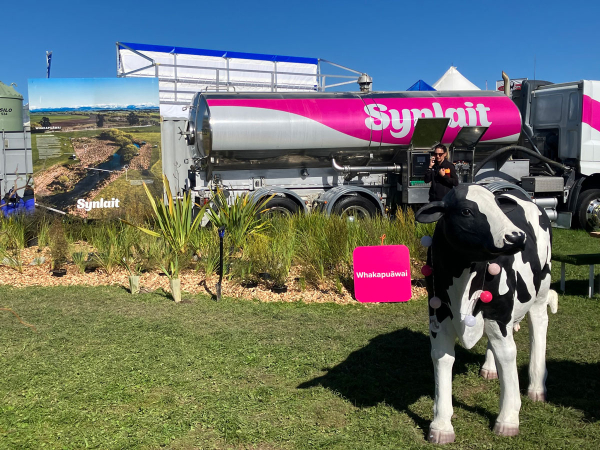 Synlait is offering a one-off payment of 20c/kgMS to retain South Island suppliers.
Milk processor Synlait is offering a one-off payment of 20c/kgMS to retain South Island suppliers, many of whom issued cessation notices to the company this year.
The company hopes the extra payment will entice farmer suppliers to stay.
The extra payment comes with conditions: to be eligible farmer suppliers must not have a cessation notice in place on 31 May 2025, are supplying milk to Synlait in the 2025 / 2026 season and remain un-ceased until 31 August 2025.
The listed company, majority-owned by Bright Dairy of China from October 1, is fighting to keep suppliers on board. Under Synlait’s milk supply agreement, farmers must issue a two-year cessation notice before withdrawing their supply.
Therefore, farmer suppliers would have to issue another cessation notice before May 31 this year for supply to be withdrawn by the end of 2025-26 season. The one-off payment will be based on milksolids supplied in the 2024-25 season and will also be made available to new suppliers.
Synlait chief executive Grant Watson says the company began FY24 with too much production capacity, unsustainably high levels of debt, significantly higher interest rates, and sharply declining demand for infant formula at a macro level.
“Although those challenges are evident in the year’s result, we begin FY25 with new momentum and a stronger financial foundation.
“Our future success depends on a strong, stable and competitive farmer base. Providing farmer suppliers with compelling reasons to remove cessation notices is a top priority, ensuring we have the secure milk supply to underpin our business recovery.
“We have announced additional payments for our farmer suppliers to recognise how critical their milk supply is to Synlait’s future. We hope these combined actions will accelerate cease notice withdrawals.”
Waikato milk processor Tatua has again declared a record milk payout to farmer shareholders, leaving other processors in the dust.

Synlait has swung to second-half profit as operations stabilise, but the dairy processor still posted a $75.4m annual loss.
OPINION: It seems Canterbury processor Synlait is still in the doldrums.
Speculation of a possible joint move by Fonterra and a2 Milk to buy Synlait raises a much bigger strategic question, says agribusiness expert Dr Nic Lees.
A revolving door of chief executives at milk processor Synlait is a warning sign, says Lincon University senior lecturer in agribusiness Nic Lees.


The potato industry is celebrating the success of two rising stars - James Blair, the 2026 Young Grower of the Year and runner-up and innovation award winner, Amber Davy.
Twenty-eight emerging leaders from across the horticulture sector spent two days last month learning valuable skills and connecting with industry experts.
There are five entrants in this year’s Young Horticulturist of the Year, competing in a series of technical, practical, business and leadership challenges.
A seasoned horticulturist has been appointed to deliver the Apple Action Plan, a key initiative of the India-New Zealand Free Trade Agreement.
New Zealand's citrus growers have been told to compete on the value built into their fruit rather than the volume they grow.
Hawke's Bay fruit growers are being reminded of the need to prepare for whatever the El Niño weather system may bring in the coming months.