Ospri brings Bovine TB testing in-house
The move to bring bovine TB testing in-house at Ospri officially started this month, as a team of 37 skilled and experienced technicians begin work with the disease eradication agency.
 increase font size
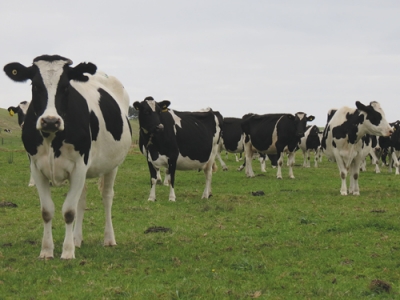 Thanks to pest management, bovine tuberculosis levels in deer and cattle herds are at the lowest ever reported
The National Policy Direction for Pest Management has come into effect.
MPI’s director of biosecurity and animal welfare policy, Julie Collins, says established pests are estimated to cost New Zealand’s primary sector up to $3.3 billion annually.
“Even small improvements to New Zealand’s pest management system could save millions of dollars in the long term.”
“The National Direction will support national and regional management of challenging pest issues such as wilding conifers, by ensuring consistent approaches to the way rules are set across New Zealand and that landowner obligations are clearly signalled and underpinned by robust analysis.”
“The National Direction sets overarching requirements for national and regional pest and pathway management plans, and small-scale management programmes. It will ensure that these plans and programmes across New Zealand are clear and consistent, and provide the best value.”
National and regional pest management plans provide significant benefits for New Zealand. For example, the national pest management plan for bovine tuberculosis helps protect New Zealand’s dairy, beef and deer production, and enhances New Zealand’s reputation as a responsible producer of dairy and red meat products.
The plan has resulted in bovine tuberculosis levels in deer and cattle herds being the lowest ever reported.
The National Direction will also require all landowners in New Zealand, regardless of tenure, to manage pests spilling across boundaries onto neighbouring properties.
Those who will be directly affected by the National Direction include all regional councils and Kiwifruit Vine Health, the National Beekeepers Association, and OSPRI New Zealand. All these organisations have regional and national plans that manage pests and diseases that affect New Zealand.
The move to bring bovine TB testing in-house at Ospri officially started this month, as a team of 37 skilled and experienced technicians begin work with the disease eradication agency.

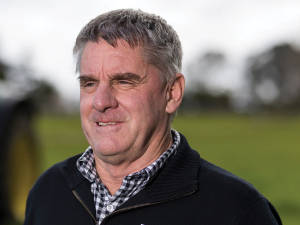
Southland farmer and director Tony Cleland has been named OSPRI New Zealand’s new chair.
TB differential slaughter levy rates are changing with dairy animals paying $12.25/head, an increase of 75c from next month.
OSPRI is searching for a new chief executive following the decision by Steve Stuart to resign after a five-year tenure.
OSPRI chief executive Steve Stuart is stepping down after five years in the role.


Federated Farmers has welcomed new rural policies released by ACT, saying they align closely with its own election priorities.

Rural Contractors NZ says proposed changes to land transport rules for agricultural vehicles are a welcome response by the Government to out of date regulations which have seen members hit with huge fines.
Alliance is calling for final applications for its 2027 Graduate Programme, with applications closing on Sunday 25 October.
Decades piloting planes has ensured vet and farmer David Hayes is focused on safety. So, after a serious accident while welding on farm, he is sharing his experience so others can learn from it.
Canterbury milk processor, Synlait Milk has confirmed Leon Fung as its chief executive officer.
OPINION: Making it easier to collect rainwater and use it to grow crops and livestock is a no brainer.