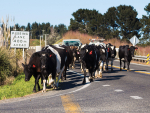
Ospri Urges Farmers To Prepare NAIT Records Before Moving Day
Moving Day (June 1) is just around the corner and farmers who are moving farms with the herd are being urged by Ospri to start preparations now.




 increase font size
 Steve Stuart has announced he is resigning as chief executive of OSPRI.
OSPRI chief executive Steve Stuart is stepping down after five years in the role.
A statement from OSPRI says his decision comes on the heels of successfully delivering the OSPRI 5-year strategic plan, setting the stage for a new chief executive to work with the board to develop and execute the subsequent 5-year strategic plan.
OSPRI board chair, Paul Reynolds says that during his tenure Stuart expertly restored OSPRI’s standing as a trusted partner in the biosecurity network and strengthened its role as an integrated disease management agency.
"Stuart’s accomplishments include enhancing relationships and trust with shareholders, iwi and Māori, stakeholders and other predator management agencies, managing a significant disease outbreak and driving down the number of TB infected herds to its lowest level on record.
“He decentralised OSPRI’s operating model and built a strong organisational capability and workplace culture and led the transition of the M. bovis Programme to OSPRI under a Government Industry Agreement.
“Stuart was also instrumental in the development of technology infrastructure that will deliver tangible benefit to farmers in the future."
Reynolds says Stuart leaves OSPRI in a more resilient and strengthened position.
“He has strategically positioned the organisation for the incoming chief executive to build upon the established foundation, ensuring continued stability and growth for OSPRI.”
During the remaining period of his tenure, Stuart will work with the board to sustain the momentum and execution of OSPRI’s programmes of work and strategic commitments. Opting not to pursue another full-time role, Stuart looks forward to spending quality time with his family, here and overseas, while pursuing a range of professional and personal interests.
Stuart’s final date at OSPRI will be determined to facilitate a seamless transition for the incoming chief executive, says Reynolds.
Moving Day (June 1) is just around the corner and farmers who are moving farms with the herd are being urged by Ospri to start preparations now.

Ospri is reducing TB testing frequencies and movement control measures as the disease risk subsidies in parts of the country.
From 1 October, new livestock movement restrictions will be introduced in parts of Central Otago dealing with infected possums spreading bovine TB to livestock.
The move to bring bovine TB testing in-house at Ospri officially started this month, as a team of 37 skilled and experienced technicians begin work with the disease eradication agency.
Southland farmer and director Tony Cleland has been named OSPRI New Zealand’s new chair.



Now in its fourth year, the 2026 Fencing Industry Awards, formed part of the proceedings of the FCANZ Conference, held in Nelson during August.
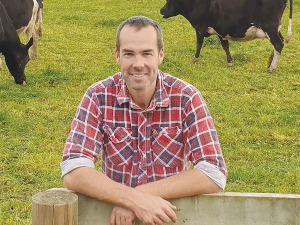
DairyNZ deputy chair Cameron Henderson has been re-appointed unopposed for another term.
OPINION: The stats speak for themselves.
Farms across the upper North Island are trialling different pasture mixes as part of a research programme that aims to build greater resilience into farming systems.
Election years are always a concerning time for farmers, according to DairyNZ chair Tracy Brown.
The Ballance Farm Environment Awards are coming to the West Coast of the South Island.




OPINION: The same mainstream media muppets that brought you Jacindamania in 2017 have been flat out pimping for the Opportunities…
OPINION: Your old mate reckons the atrocious way farmers in the UK are treated by their lords and masters in…