Blueberries Could Be NZ's Next $150m Horticultural Export
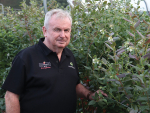
Blueberries have the potential to become a major horticultural export, earning up to $150 million within the next three to five years.
 increase font size
 HortNZ natural resources and environment manager Chris Keenan.
Horticulture New Zealand has welcomed the announcement of the progress made in funding for the Ruataniwha Dam project in Hawke's Bay.
The horticulture industry is reliant on sensible management of freshwater in New Zealand and the provision of water for future generations of primary sector business is essential, says HortNZ.
"This will see the number of growers increase, and this in turn will improve the sustainability of the proposal," HortNZ natural resources and environment manager Chris Keenan says.
HortNZ is increasingly concerned about the space available for vegetable production in New Zealand, given the significant pressure from urban expansion in other key growing areas such as Pukekohe, Tasman and Horowhenua.
"While production in the Central Hawkes Bay cannot replace Pukekohe production, it does add to the security of food supply for New Zealanders," Chris says.
And it is good to see that fruitgrowing is in the mix of the contracts signed.
"Fruit production is incredibly high value, and has a small nitrogen and sediment footprint.
"This is great for jobs and community wellbeing in the Bay."
Blueberries have the potential to become a major horticultural export, earning up to $150 million within the next three to five years.
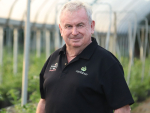
New Zealand needs to make sure that it continues to focus on its own food security, according to HortNZ board member and blueberry grower Dermott Malley.
According to a progress report on the Aotearoa Horticulture Action Plan (AHAP), New Zealand's horticulture sector is making real progress on the big issues facing growers.
Horticulture New Zealand’s Board has welcomed the re-election of grower-elected directors Alistair Petrie and Doug Brown.
Horticulture NZ says the funding boost to improve state highway resilience will support growers and strengthen the transport links they rely on to get produce to market.


OPINION: As the general election approaches, political parties are churning out policies in the hope of attracting more votes.
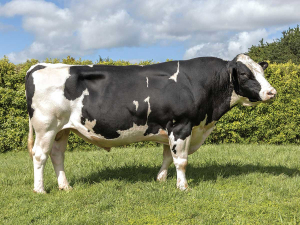
An LIC bull, Tronnoco AR Sadio-ET S3F, bred by Tony and Keri O'Connor of Tronnoco Farming Co Ltd near Timaru, has won the 2026 Mahoe Trophy.
With forecasters advising El Niño conditions will develop through winter and strengthen into spring and summer, Ballance Agri-Nutrients is encouraging farmers and growers to think ahead about nutrient planning and be prepared to work around challenging weather conditions.
In the past, much has been made of the concept of farm to fork, but an Australian expert in food science and marketing with experience in the dairy industry, Dr Angeline Achariya, says the reverse of this slogan is critical to win modern day consumers.
Efficiency is the big one because it tracks back into what is done on farm.
A four year trial has reaffirmed that mixing plantain into dairy pastures can help reduce nitrogen losses to freshwater while maintaining milk production and profitability, say researchers.