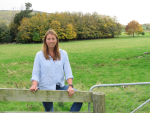
The Ministry for Primary Industries (MPI) is funding a new marae-based project to help Kaipara residents grow their own food.
The first of four educational hui will be held this month to teach people how to transform their backyards into food bowls.
MPI is providing $20,000 to Māuri Orā Ngāti Whatua Charitable Trust to develop the community education programme.
The funding is part of MPI's Rural Community Hubs programme, which is empowering isolated communities to be better prepared to tackle challenges they face.
"During last year's Covid-19 lockdown, local iwi helped bring fresh food into the district for disadvantaged and isolated residents," says MPI director of rural communities and farming support Nick Story.
"The aim of this project is to help build resilience in Kaipara's rural communities, equipping them with the skills to be more self-sufficient."
The first hui will be held at Naumai Marae in Ruawai on Saturday 23 January. It will focus on food sovereignty, and provide a general a general understanding of kai and what is already been grown in local backyards.
"Growing kai brings communities together and builds and strengthens social connections. My friends with vegetable gardens share their surplus produce with friends, family, and elderly residents unable to grow their own food," says Trust administrator Hazel Hornell.
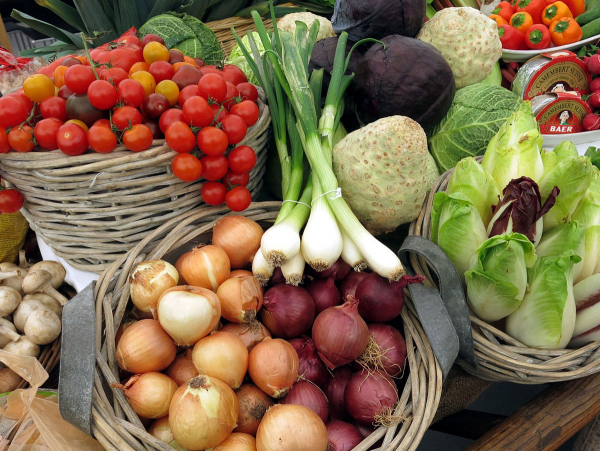
A pilot garden will also be planted at Naumai Marae, with herbs, and vegetables such as lettuce, silverbeet, onions, and carrots.
Hui are also planned for Ripia Marae, south of Te Kōpuru, and Parirau Marae, northwest of Matakohe, and are open to the whole community.
Trust director Grace Le Gros says inspiring healthier eating choices is one of the drivers behind the hui.
"Kaipara is known as the country's kumara capital, and this project will help upskill people and could propel them into employment."
Le Gros says Kaipara has more than 300,000 hectares of fertile land, and some of this whenua is still Māori-owned and currently leased out. The Trust hopes the project will be a catalyst for change.
"As people's skill level grows, we will encourage local marae to use some of their land to produce kai and generate jobs. Getting people off the unemployment benefit will be a win-win for the government and out community," she says.
Le Gros says she hopes to be able to eventually widen the project's reach.
"The goal is to turn an overgrown plot of land at the local school into an abundant vegetable garden, and use the project to integrate horticulture and food production into the school's curriculum."