
Federated Farmers Praises Labour's Emissions Tax Backdown
For the first time in a quarter of a century, Federated Farmers has something positive to say about the Labour Party’s climate change policy leading into a general election.
 increase font size
LABOUR WANTS to increase our agricultural exports in quantity and quality.
Its agriculture spokesman Damien O'Connor also wants to keep our rural communities vibrant by keeping ownership of farmland in Kiwi hands and stop offshore speculators locking Kiwis out of the market.
To achieve this, Labour will reform monetary and overseas investment policy, boost research and development, and introduce a tax to discourage speculation on farmland prices, he says.
He points out the New Zealand dollar is one of the world's ten most traded currencies.
"Our currency surges and plunges on the whims of international speculators and our exporters suffer. When our exchange rate surges, it undermines the competitiveness of our products. When it falls, the price of inputs like fuel soars.
"Labour will adopt the successful Australian model, which recognises that employment, economic prosperity, and the health of the export sector are at least as important as inflation control. We will give the Reserve Bank more sophisticated tools to counter inflation than simply jacking up interest rates. This will mean lower interest rates and a more competitive dollar.
"We will ensure exporters are represented on the Reserve Bank Board. Labour believes better outcomes will be achieved if there are a number of board members with exporting backgrounds."
On overseas investment, O'Connor warns we risk losing ownership of our farmland and infrastructure by allowing New Zealanders to be outbid by foreign buyers.
"We cannot let our farming communities become tenants on their land. Sales of farmland to offshore buyers will be declined unless they invest in significant further processing of related primary products and related jobs."
On R&D, Labour will push agricultural innovation into the next gear by introducing tax credits for research and development. These will encourage more research leading to higher value, more sustainable exports.
"We expect that innovative agricultural companies like Fonterra will be major beneficiaries of these tax credits," he says.
Over the last decade, there was a bubble in farm prices as well as house prices. Cheap credit enabled corporate and foreign buyers to force up prices and speculate on capital gain, O'Connor points out
"To get into the market, farmers have had to take on high levels of debt.
The dairy industry, for example, now spends 18% of its income servicing its debts, O'Connor says.
For the first time in a quarter of a century, Federated Farmers has something positive to say about the Labour Party’s climate change policy leading into a general election.
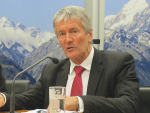
A miserable budget that didn’t deliver much for anyone.
National's decision to ‘dribble’ information about the NZ/India to Labour contributed to the delay in it deciding to supported the FTA.
When it comes to international trade, politicians from all sides of the aisle are united, says Labour's trade spokesman Damien O'Connor.
Federated Farmers have reiterated their support for the coalition Government to abolish the present ban on the live export of animals.


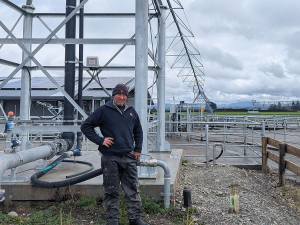
Converting a longstanding cropping farm to dairy was the only way to ensure the land stayed in the family long term, says new dairy farmer Rod May.
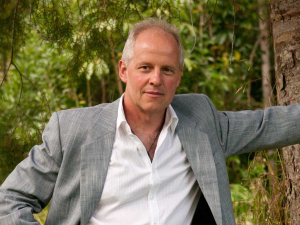
As the election heats up, Organics Aotearoa New Zealand (OANZ) has launched its election scorecard designed to help voters wanting to support policies that grow organic and New Zealand's organic sector.
A 'tsunami' of milk from key exporting countries is winding down and this may be good news for New Zealand dairy farmers.
Will the good times last? That's one of the key issues to come out of the latest Federated Farmers confidence survey.
Outgoing Fonterra Co-operative Council chair John Stevenson says that it has been a privilege to represent the co-op's farmer shareholders.
Have a plan in place for your cows and staff.




