SWNZ Strengthens People Pillar for Global Markets
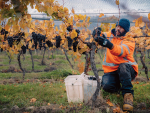
With ethical employment practices a "hot topic" in key markets, Sustainable Winegrowing New Zealand (SWNZ) is strengthening its People Pillar.
 increase font size
 The declaration comes in response to discussions with pipfruit leaders, industry experts, and the MBIE.
The Government has declared a seasonal labour shortage across Hawke’s Bay.
The declaration allows visitor visa holders to apply for a variation of conditions, which will enable them to work on orchards and vineyards in the Hawke’s Bay.
The shortage is for a six-week period between February 25 and April 5; declaration comes in response to discussions with pipfruit leaders, industry experts, and the Ministry of Business, Innovation and Employment.
East Coast Regional Commissioner Annie Aranui says the shortage will be closely monitored and has assured the industry that Government will reassess the situation in four weeks’ time.
"If conditions on the ground are largely the same as what we see now, then we will consider extending this declaration."
Forecasts expect the peak harvest season for the Hawke’s Bay pipfruit industry may run until around mid-May 2019 and there is currently a worker shortage of about 300 to 400 people.
"We’re working hard to fill these positions and want to support New Zealanders into sustainable employment opportunities available in the industry."
Since October 2018, the Ministry of Social Development has placed more than 215 people into job vacancies in the local pipfruit industry with many more prepared to start employment once the main harvest is underway.
"We’d encourage anyone looking for employment, who enjoys physical work and the outdoors to get in touch. Although largely temporary, these roles are an opportunity for people seeking to get back into the workforce and can open the door to other things."
Aranui says there is also ways Work and Income can help, dependent on someone’s circumstances, to access support with training, transport, accommodation, equipment and more.
"It’s important to come and talk with us. Seasonal work provides a great opportunity for those who are capable of doing it. Many seasonal workers experience a variety of work in a range of locations and are able to stay employed year round using their diverse skills.
"We’re providing work brokerage support, training, upskilling opportunities, holding workshops and specialised seminars, job share programmes, and providing financial and case management support for our clients."
With ethical employment practices a "hot topic" in key markets, Sustainable Winegrowing New Zealand (SWNZ) is strengthening its People Pillar.

OPINION: Farmers have been clear: it is getting harder, not easier, to find and keep good people.
Building on the success of last year's events, the opportunity to attend People Expos is back for 2025, offering farmers the chance to be inspired and gain more tips and insights for their toolkits to support their people on farm.
Historically payroll software was written for commercial businesses where everything was relatively stock standard.
With a 12-year history of recruiting specialised operators from overseas to service the agricultural contracting industry, Hanzon Jobs typically brings in around 200 people to New Zealand each year from the UK and Ireland.


During the nesting season, from September to December, industrious starlings can quickly build nests in the darker areas behind tractor and vehicle, usually close to hot engines, typically resulting in localised damage or in some cases complete write-offs.
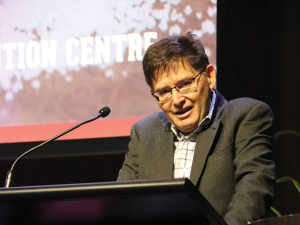
The meat processing industry is much more collegial than it was in the past and is now more focused on common goals.
With the last couple of months having seen some potential tractor purchases put on hold with the impending election and continued input cost rises, year-to-date figures, ending September, has seen deliveries up around 5% over the same period in 2025, with a total of 2026 units.
Beef+Lamb New Zealand is calling for nominations for director roles in the Northern South Island and Northern North Island electoral districts.
Fonterra chief executive, Richard Allen says being resilient has helped the dairy industry overcome extreme volatility in recent years.
The head of the Ministry for Primary Industries (MPI) trade and international relations group says New Zealand is well-positioned to secure trade access and compete internationally as the world becomes more complicated, demanding and uncertain.