NZKGI Responds to Migrant Worker Exploitation Reports
Where any worker in the kiwifruit industry is mistreated, we expect the authorities to take action.
 increase font size

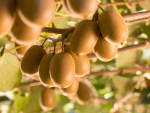
ZESPRI’S GOLD crop will be down about 45-50% this year, but there are positives to the season.
That reduction is mostly due to about 70% of Gold growers grafting to the new Psa-resistant cultivar G3, rather than to the effects of the vine-killing disease itself.
Meanwhile, Green volumes will be the same as last year at 70 million trays. The impact of Psa on Green volumes has been “negligible”, says Simon Limmer, Zespri’s general manager of grower and government relations.
About two years of full production are lost in the transition from the old Gold variety to the new G3, he says. Gold, at 13 million trays, this season is about 45-50% down on last season and even further on the previous peak season. But this year should be the lowest volume year in the recovery phase.
“Growers have had to cut the heads off their old vines and graft a new variety into their trunk and it will take a couple of years before they start getting meaningful production. By December this year we should see confirmation of the recovery and volumes start to grow again for next season. But we won’t recover back to previous volumes for a couple of seasons.”
But the new variety, G3, is “looking really good”. “We’ve been lucky with the summer. The drought was disastrous for most of the primary sector. But for kiwifruit it had two positive effects: it countered Psa and it created high tasting kiwifruit – a vintage crop – so that’s helping in the marketplace.
“And despite some of the challenges economically in places like Europe and despite the strong headwind from a strong New Zealand dollar, the markets are performing pretty well.”
Market conditions, smaller volumes and good tasting fruit all translate into good returns, but “it is a bit early to conclude how the season is going to do”. The season closes in October-November.
Where any worker in the kiwifruit industry is mistreated, we expect the authorities to take action.

Kiwifruit growers are watchful but remain optimistic as concerns around the potential effects of the El Niño weather pattern this season.
More signs of a booming kiwifruit sector.
After delivering a strong financial year, rural trader PGG Wrightson says the coming months will depend on customer confidence and weather.
New Zealand growers have always adapted to changing conditions, but one challenge is steadily gaining ground across the horticulture sector: resistance.


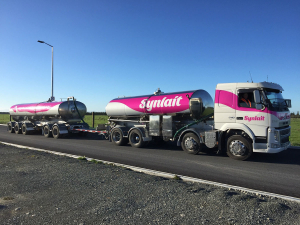
Synlait has swung to second-half profit as operations stabilise, but the dairy processor still posted a $75.4m annual loss.

LIC shareholders have elected a new North Island representative to the co-operative's Board, along with five representatives to its Shareholder Reference Group (SRG), following the company's Annual Meeting held in Invercargill.
Farmers across parts of Southland and South Otago are continuing to deal with difficult conditions after a prolonged run of wet weather, with pressure building around feed supply, stock management, pasture damage, farm infrastructure and everyday workloads.
Federated Farmers says it welcomes Labour's commitment to reviewing the Sharemilking Agreements Act, calling on other major parties to do the same.
For Canterbury dairy farmers Sian Meijer and Rick Wobben, wearable technology has become one of their most valuable on-farm tools - helping manage 1850 cows across an expansive, high-performing dairy operation while improving efficiency, mating outcomes and day-to-day decision making.
Fonterra has unveiled its annual results for the 2026 financial year, posting $27 billion in revenue and close to $20 billion returned to New Zealand farmer owners and unit holders.