Puro wins Supreme Award at Marlborough Business Excellence Awards
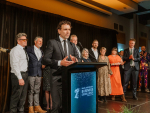
Puro, the country's largest cannabis cultivator, has won the Supreme Award at the Marlborough Business Excellence Awards.
 increase font size
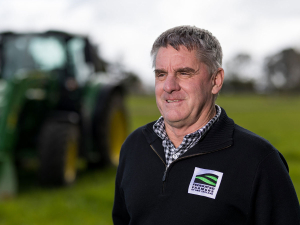
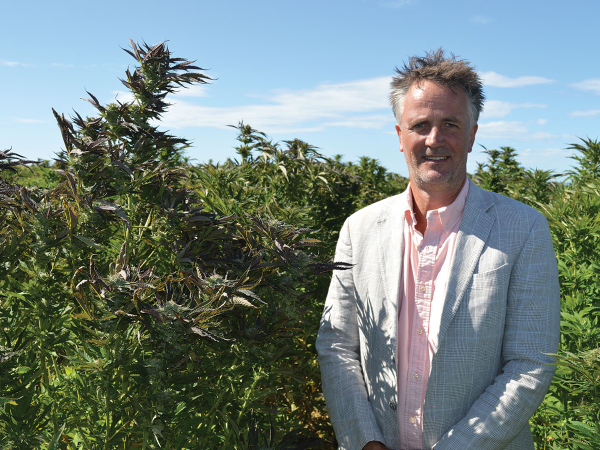 Puro chief executive Sank Macfarlane.
New Zealand's largest medicinal cannabis operation is looking for contract growers to help meet surging international demand.
Puro chief executive Sank Macfarlane says it is keen to develop a contract growing business, like Zespri's kiwifruit framework.
And grower interest is strong right across the country, he told Rural News.
"We get emails every day, with people saying, 'I've got 5 hectares, 10 hectares, can we do this, can we do that'?
"It's about partnering with the right people as well."
Puro is working with Ngai Tahu through its Kaikoura representative, Rawiri Manawatu.
Te Runanga o Kaikoura and the medical cannabis producer state the partnership will see both "develop a shared vision for responsible resource management that honours tikanga Māori, creates employment opportunities and enhances community wellbeing".
Macfarlane says it's an approach that will enable more regional landowners and iwi to participate in the industry, creating additional skilled jobs and economic opportunities across Marlborough and the South Island.
"The cultural fit is important: it's like doing business with anyone. You've got to have trust and build a relationship and understand motives and all that sort of stuff.
"With Rawiri and his team, over the years, I was brought up here, so I've known them for years and years, but there is a huge level of trust and understanding and a real desire to work together."
Puro is New Zealand's largest medical cannabis grower, and one of the biggest organically certified growers in the world. They have a research facility just outside of Blenheim and their farm is on the Kaikoura Coast at Kekerengu.
It was co-founded by Macfarlane and Tim Aldridge; both hail from Marlborough.
"Growing up, we've watched Marlborough become synonymous with premium Sauvignon Blanc which has been an incredible success story," says Macfarlane.
"In 1990, New Zealand exported $18 million of wine. Today that number sits over $2.5 billion, with 80% produced right here in Marlborough. We want Marlborough medical cannabis to become as trusted and respected as Marlborough wine, and these awards recognise we're on the right track," he says.
Like the wine pioneers before them, Macfarlane and Aldridge identified Marlborough's unique climate and soils as ideal for producing a premium agricultural product. Working with globally recognised cannabis agronomist Tom Forrest, whose international research confirmed the region's potential, they've built New Zealand's largest medicinal cannabis operation across sites in Waihopai and Kekerengu.
Innovation has been central to Puro's success. With research support from the Ministry of Primary Industries the company has pioneered 'live drying" technology, flash-freezing cannabis flowers at harvest before freeze-drying them. This preserves the plant's full therapeutic profile while solving harvest bottlenecks - and has made Puro the only supplier of live-dried organic medicinal cannabis products globally.
Puro, the country's largest cannabis cultivator, has won the Supreme Award at the Marlborough Business Excellence Awards.


National’s pledge to introduce 19 new national standards shows the party is serious about getting Wellington out of farming, Federated Farmers says.
The National Party’s policies to make it easier to grow fresh vegetables, secure reliable water and energy and simplify farm planning are practical changes that will give growers the confidence to invest, according to Horticulture New Zealand (HortNZ).
Fonterra Co-operative Group chief financial officer Andrew Murray has resigned to take up a role outside the dairy giant.
A major move is about to get underway to improve the quality and viability of dairy beef and cattle in NZ.
Veterinarians say changes to the code of welfare for dairy cattle provides a positive foundation for improved cattle welfare across the country.
Today, 15 October, is the International Day of Rural Women, which recognises rural women’s contribution to farming, communities and the environment.